
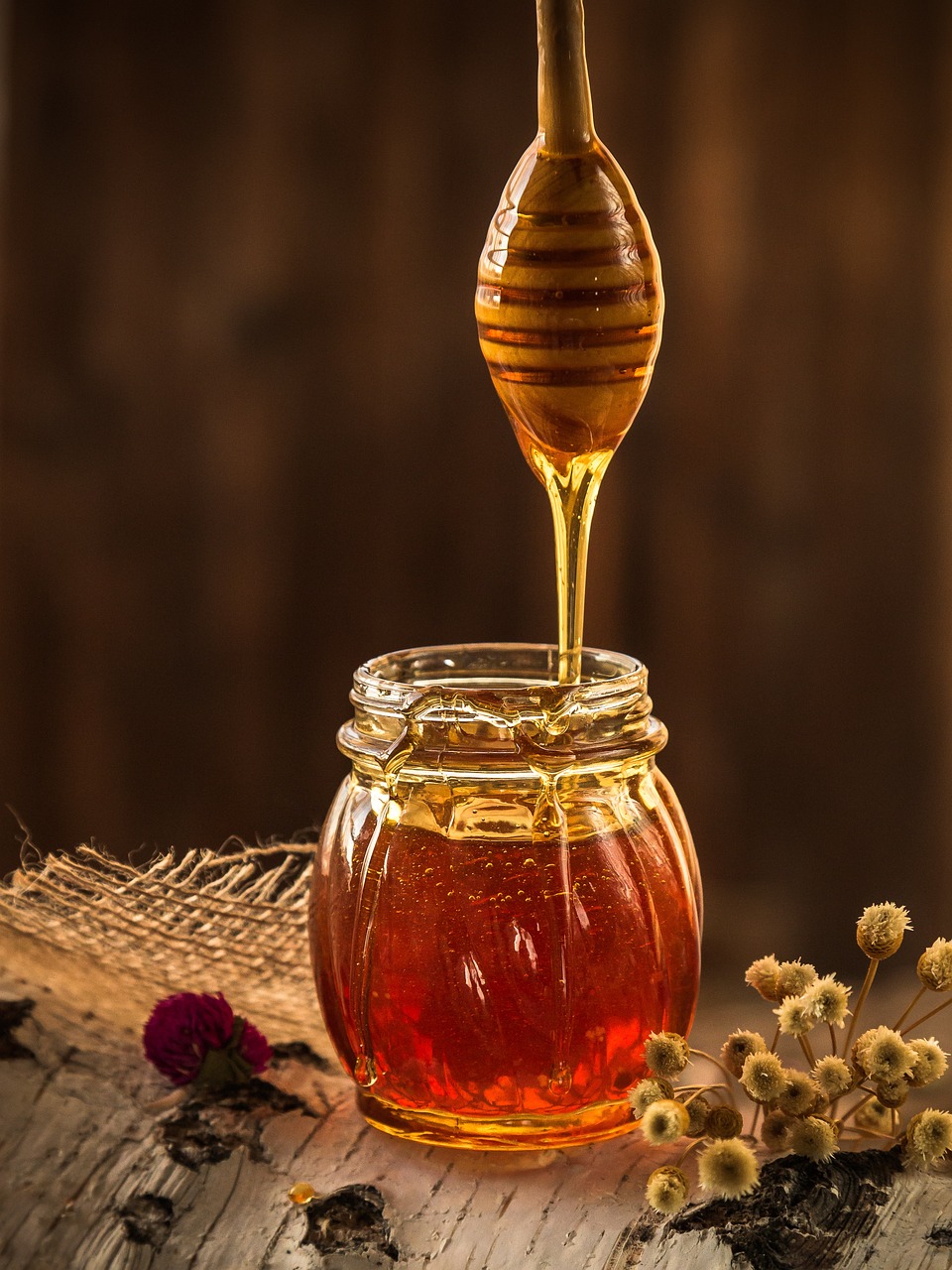
Honey is one of the few foods on Earth that literally never goes bad. Archaeologists even found 3,000-year-old honey in Egyptian tombs– still perfectly edible! Here’s the science:
1. Extreme Sugar Content = Zero Water for Bacteria
Honey is about 80% sugar, which creates a hyperosmotic environment.
Bacteria need free water to grow, and honey simply doesn’t have it.
Any microbe landing in honey gets dehydrated instantly.
2. Honey is Naturally Acidic (pH 3–4)
Most bacteria hate acidic environments.
Honey’s low pH denatures their proteins and stops enzymes from working.
3. Bees Add a Natural Preservative to the Honey
Bees mix nectar with the enzyme glucose oxidase.
When it absorbs even a tiny bit of moisture, this enzyme produces hydrogen peroxide- yes, a mild disinfectant!
4. Zero Moisture + Antimicrobial Chemistry
It also contains compounds like:
- Methylglyoxal (MGO)– especially in Manuka honey
- Bee defensin-1– an antimicrobial peptide
These make honey hostile to almost every microbe.
5. Thick, Sticky Texture
The viscosity forms a physical barrier, trapping microbes and preventing oxygen flow.
Most bacteria simply can’t move or multiply in it.
In short:
Honey is a perfect storm of low water, high acidity, natural antimicrobials, and bee-engineered chemistry – making it one of the safest, longest-lasting foods ever created.
Informative read, thanks for sharing.