
Diabetes is trending on Google and YouTube. But gone are the days when people searched, “What is diabetes?”
Today, the questions are far more specific and personal.
Can I eat jackfruit?
Are grapes safe?
What about dates… or even honey?
Fruits are naturally sweet. And when you’re managing diabetes, ‘sweet’ often sounds like ‘danger’. So it’s understandable that many people feel skeptical about adding fruits like jackfruit, grapes, or dates to their plate.
But is the sugar in fruit really the villain we think it is?
Let’s dive into the science of fruit sugars, glycemic response, and what truly affects blood glucose levels.
And once we understand that, we’ll meet a tiny bird that thrives almost entirely on honey. Yet it somehow maintains stable blood sugar and blood pressure levels.
When it comes to confusion about food and health, nature often has surprising answers.
What really happens when you eat a sweet fruit?

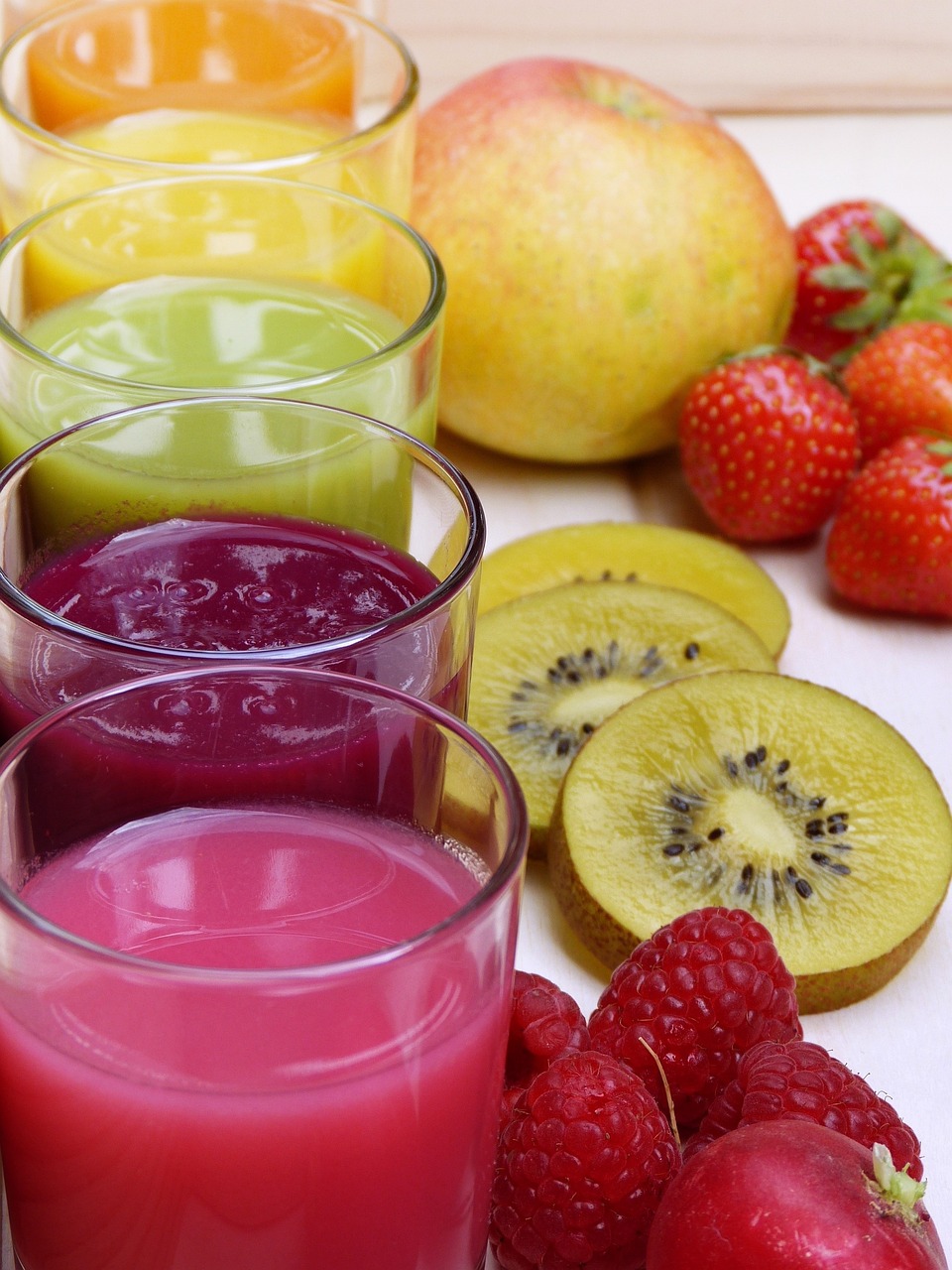
Fruits, being whole foods, are rich in natural sugars like fructose. However, unlike processed foods, they contain fibre, water, vitamins, and traces of minerals. The soluble fibre slows its absorption by forming a gel in the digestive tract. This slows down digestion and delays the entry of glucose or fructose (in this case) into the bloodstream. This is why whole fruits behave completely differently from fruit juices and sugary beverages (which contain added fructose). However, moderation is the key. Excessive fructose in the blood can affect the liver, as it is primarily metabolized in the liver.
Before deciding on which snack or fruit to pick, it is wise to know the crucial difference between glycemic index and glycemic load.
Glycemic Index (GI) vs Glycemic Load (GL)
| Glycemic index (GI) | Glycemic Load (GL) |
| Measures how quickly a food raises blood glucose levels | Measures both how quickly a food raises blood glucose and how much carbohydrate it contains per serving |
| Scale ranges from 1–100 | More practical and realistic measure |
| Focuses on speed of sugar absorption | Accounts for portion size and total impact |
For instance, Watermelon has a high GI (76) because the sugar hits the bloodstream fast, but a low GL (5) because a typical serving contains very few actual carbs. So, being mindful of the glycemic load is important. So while the sugar enters the bloodstream quickly, the overall glucose impact is modest due to the low carbohydrate content per serving.
Is Sweetness the Same as a Blood Sugar Spike?
Not necessarily. Sweet taste does not always translate into a dramatic rise in blood sugar. As we’ve seen, fiber content, glycemic load, and portion size all influence how quickly sugars enter the bloodstream.
Another important factor is ripeness. As fruits ripen, complex carbohydrates such as starch are broken down into simpler sugars like glucose and fructose, increasing their glycemic impact. For example, an overripe banana or very ripe jackfruit will generally cause a faster rise in blood glucose compared to a firmer, less ripe version of the same fruit.
But two individuals can eat the same fruit in the same quantity and experience very different blood sugar responses. Because metabolic health matters.
Insulin sensitivity, physical activity levels, muscle mass, gut microbiota, and overall metabolic function all influence how efficiently glucose is cleared from the bloodstream.
The Metabolism Factor We Often Ignore

As mentioned in the previous subsection, a number of factors influence your metabolism and thereby your response to a sugary fruit.
- Insulin resistance- it forces your metabolism to store nutrients as fat and slows down fat burning.
- Muscle glucose uptake- Skeletal muscle is the primary site for glucose disposal, accounting for nearly 70–80% of post-meal glucose clearance. When muscle cells efficiently absorb glucose, blood sugar levels fall more rapidly, insulin sensitivity improves, and the glucose is used as fuel rather than stored as excess fat. Reduced muscle uptake, on the other hand, contributes significantly to type 2 diabetes risk.
- Physical activity- it immediately raises the calorie expenditure, increasing the basal metabolic rate. It improves insulin sensitivity and enhances long-term metabolic health.
- Genetics- it influences basal metabolic rate, fat storage, hunger, and nutrient processing.
This explains why two people can eat the same fruit and experience completely different blood sugar responses.
And once we understand that metabolism can vary so widely within our own species… a fascinating question emerges:
What happens in species that evolved on sugar-rich diets?
Meet the birds that thrive on sugar.

Some birds, including Hummingbirds and Honeyeaters, survive on diets rich in nectar and fruit, essentially living on sugar.
In humans, such a diet would raise concerns about insulin resistance, metabolic syndrome, and type 2 diabetes. But these birds don’t suffer the same consequences.
Why? Smart genetics
Comparative genomic studies show that nectar-feeding birds have evolved changes in genes involved in carbohydrate sensing, fat metabolism, and blood pressure regulation. Many of these changes occur not just in protein-coding genes, but in regulatory DNA regions.
One key gene identified across multiple nectar-feeding species is MLXIPL, which encodes a transcription factor (ChREBP) that acts as a cellular sugar sensor. Alterations in this gene fine-tune how cells respond to high glucose levels, enhancing their ability to process carbohydrates efficiently rather than store them harmfully.
In essence, these birds are genetically “tuned” for sugar. Their cells expect it and are equipped to handle it.
Fruit itself is not the enemy. Context, quantity, and metabolic health determine its impact.
While humans did not evolve to live on constant high-sugar diets, understanding how biology adapts reminds us of something powerful:
When we are confused about food and health, nature never fails to inspire us.