Thalidomide- a banned drug you have probably heard of if you are working on pharmacovigilance. This branch of clinical research was formed by the WHO thanks to this very drug. Let’s see the fascinating history behind this field of clinical research. Hang on till the end.
Meet thalidomide, the banned drug
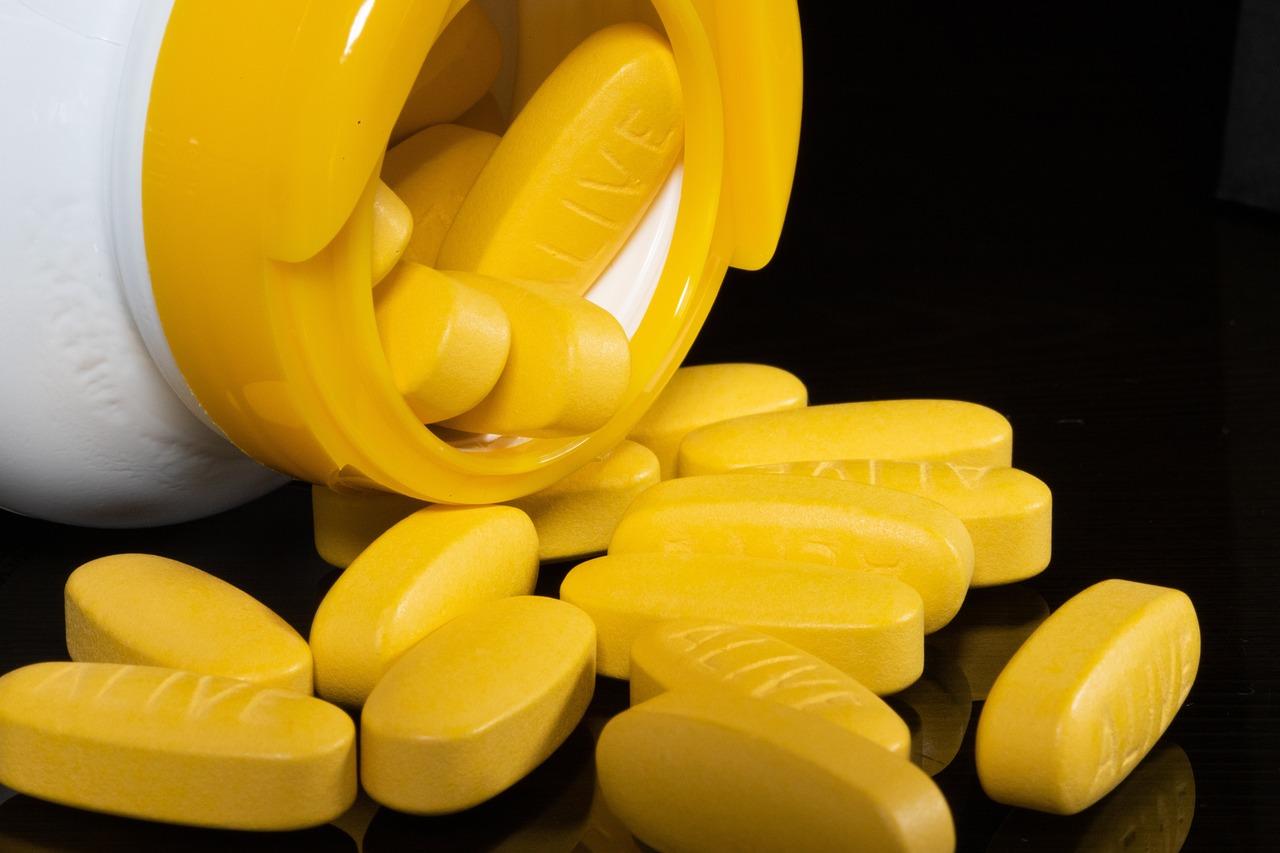
This particular drug was given to pregnant ladies to overcome nausea. It is an antiemetic and hypnotic. If you are a pregnant lady, you might know this could be a boon for your morning sickness. This particular drug came into the market after getting approved through clinical trials. Little did they know that a few years later, this drug could be the worst drug disaster in the history of clinical research. It turned out to be a teratogen! Which means this drug had the potential to cause developmental abnormalities in a developing fetus. This caused birth defects in an estimated 1000 children before it was taken off the market in 1961.
Why was it dangerous? Let’s dive deeper.
As mentioned before, this drug was known to cause birth defects in babies. Most babies were born with no limbs or underdeveloped limbs. Phocomelia was the name given to these characteristic features.
The birth of pharmacovigilance
Almost a year after the drug was officially banned worldwide, the World Health Organization (WHO) took up a resolution to report information on Adverse Drug Reactions (ADR). They are life-threatening reactions to drugs that may not have been noticed during the clinical trials. After initiating this project in most countries, a one-stop WHO database was established in 1978. Ever since, it has been headquartered in Uppsala, Sweden.
What exactly was the problem?
The drug was cleared for market use after clinical trials. However, two things were not done-
- The clinical trial was not done in pregnant people
- The long-term effects of this drug were not monitored.
Pregnant ladies who took this drug were relieved of the vomiting symptoms. However, little did they expect the very same drug could affect their baby’s limb growth.
So, the major problem- Adverse symptoms were not reported in the early stages. This is when the establishment of a branch of clinical research, pharmacovigilance, is needed.
What is Pharmacovigilance?
It is the branch of science relating to the detection, understanding, and prevention of adverse events or any other drug-related problem.
In short, clinical trials approve the drug based on how efficient it is, and pharmacovigilance helps take care of the associated long-term adverse effects of the drug, if any.
The lesson we can learn from this tragedy: If you face any serious adverse event after taking a drug, timely reporting is mandatory.
There is still a bright side to this drug.
Despite its ban in 1972, it is currently being repurposed for treating multiple myeloma (blood cancer) and leprosy, along with other medications. While it may not be safe for pregnant ladies, it is still considered an effective medicine for certain conditions due to its immunomodulatory and antiangiogenic properties.
Hope you found this article insightful and that we have learnt something from this tragedy.
Stay informed, Stay healthy
Happy reading!
Great read, thanks for sharing.