
In the previous article, we explored how reproductive isolation can cause one ancestral population to split into two distinct species- a process called speciation.
But surviving is only one of the challenges that organisms face. What if a trait makes an animal less likely to survive, but more likely to attract a mate?
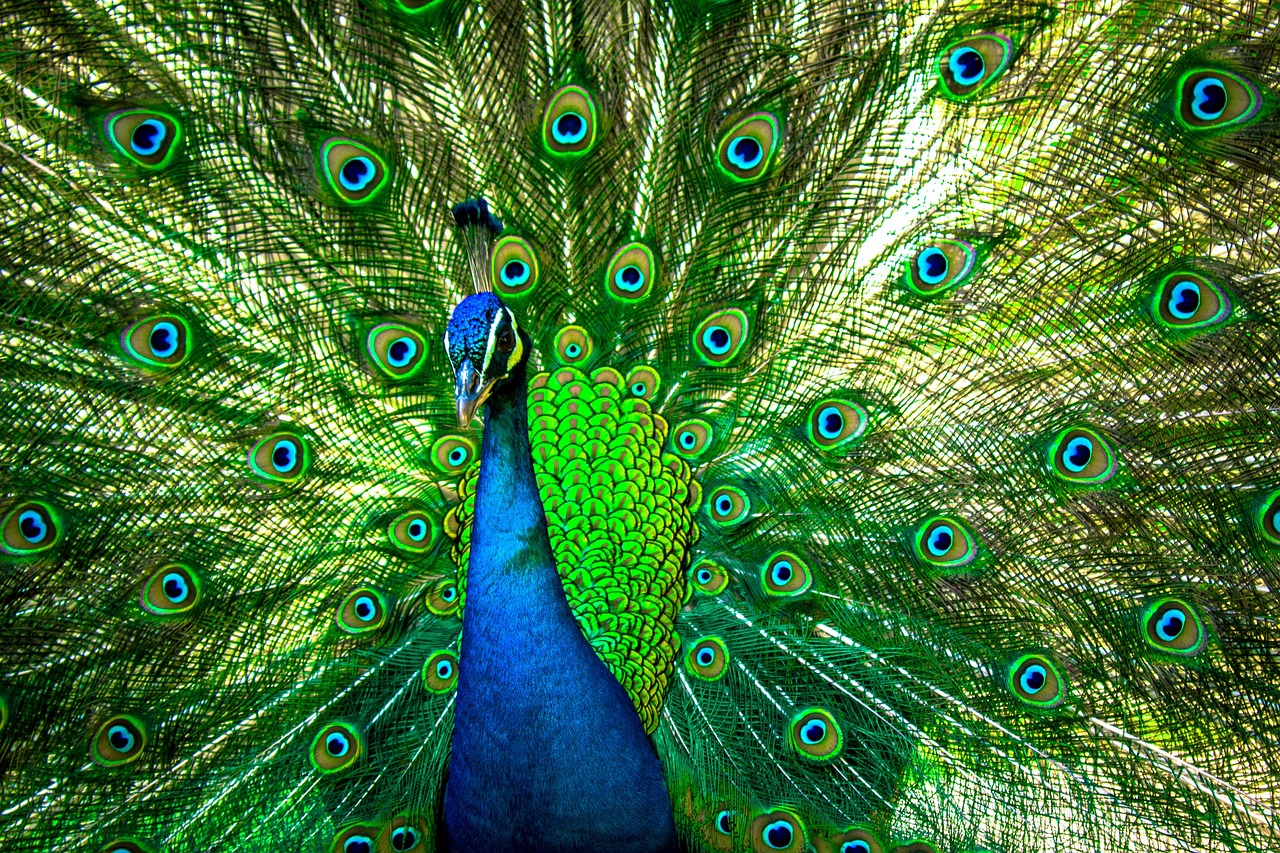
A peacock’s enormous tail is difficult to carry. A stag’s antlers require considerable energy to grow and maintain. Elaborate bird songs can even attract predators.
So why hasn’t natural selection simply eliminated these seemingly disadvantageous traits? Charles Darwin proposed an answer: sexual selection.
Sexual Selection
In 1871, Charles Darwin explained the concept of sexual selection in his book The Descent of Man, and Selection in Relation to Sex.
Darwin proposed that traits do not evolve only because they improve survival. Some traits evolve because they give individuals an advantage in obtaining mates. Individuals may compete with members of the same sex for access to mates, or individuals may choose mates based on particular characteristics.
When a trait increases mating success, individuals carrying that trait may leave more offspring. As a result, the trait can become increasingly common in the population even if it provides little survival advantage or comes with a survival cost.
Sexual selection therefore forms an important component of natural selection.
Sexual Selection Works in Two Ways
1. Intrasexual Selection: Competition Within the Sex
Intrasexual selection occurs when members of the same sex compete with one another for access to mates. This competition may involve:
- Physical combat
- Territorial disputes
- Displays of strength
- Competition for resources
Example: Deer Antlers. Male deer use their antlers during contests with rival males. Males with larger or stronger antlers may have an advantage in these contests and therefore greater access to females. But large antlers also come with costs. Growing and maintaining them requires considerable energy, and large antlers can make movement more difficult. The evolutionary advantage therefore comes not from making the deer healthier or stronger in every situation, but from increasing mating success.
2. Intersexual Selection: Choosing a Mate
Intersexual selection occurs when individuals of one sex choose mates based on particular traits. In many species, females are the choosier sex, although this is not a universal rule. Traits that influence mate choice may include:
- Colourful ornaments
- Courtship displays
- Songs
- Body size
- Scent
- Behaviour
Example: Peacock Tails
The peacock’s spectacular tail is one of the classic examples of sexual selection. The colourful tail requires energy to produce and maintain. It can also make the bird more visible to predators. Yet peahens may prefer males displaying particular tail characteristics.
If males with those characteristics obtain more mates and produce more offspring, the traits can become increasingly common in the population. This creates an evolutionary trade-off: A trait may reduce survival while simultaneously increasing mating success.
Bird Songs: Attraction Through Sound
Sexual selection isn’t always about appearance. In many bird species, songs and calls play an important role in attracting mates. Male birds may produce elaborate songs that communicate information about their species, territory, condition, or ability to produce complex vocalizations. Females may preferentially choose males with particular song characteristics.
Over generations, such preferences can contribute to the evolution of increasingly elaborate songs. Interestingly, these songs can also attract predators or parasites- another example of the evolutionary trade-offs associated with sexual selection.
Sexual Dimorphism: When Males and Females Look Different
One of the most visible consequences of sexual selection is sexual dimorphism– differences in physical characteristics between males and females of the same species. These differences may include:
- Body size
- Colouration
- Ornamentation
- Weapons such as horns or antlers
Peacocks and peahens, for example, show dramatic differences in appearance. Sexual dimorphism can arise when natural and sexual selection act differently on males and females.
Why Are Females Often Choosier?
In many species, females invest more energy in producing eggs, carrying offspring, or providing parental care. This can make reproduction more costly for females. As a result, females may benefit from being selective about their mates, choosing individuals based on characteristics such as resources, protection, health, or other traits that may increase reproductive success.
However, this pattern is not universal. In species where males make the greater reproductive investment, males may become the choosier sex, while females compete more intensely for access to mates.
The general principle is: The sex that invests more in reproduction often becomes more selective, while the other sex may compete more intensely for access to mates.
When Attraction Drives Evolution: Runaway Sexual Selection
Sometimes, a preference for a particular trait can create a self-reinforcing evolutionary cycle. Imagine that females prefer males with slightly longer tails. Males with longer tails obtain more mates and therefore leave more offspring.
If the preference for longer tails also has a heritable component, daughters may inherit the preference while sons inherit the attractive trait.
Over generations, the preference and the trait can reinforce one another, potentially producing increasingly exaggerated characteristics. This idea is known as runaway sexual selection and is particularly associated with evolutionary biologist Ronald Fisher.
The result can be an evolutionary paradox: A trait can become increasingly elaborate even when it carries a survival cost.
Hamilton-Zuk Hypothesis: Beauty May Signal Health
Another influential idea connects sexual selection with parasite resistance. The Hamilton-Zuk hypothesis, proposed by W. D. Hamilton and Marlene Zuk, suggests that some elaborate sexual traits may provide information about an individual’s ability to resist parasites and disease.
For example, brighter plumage or more elaborate displays could potentially signal good health or parasite resistance. The underlying idea is simple:
If producing an attractive signal is more difficult for unhealthy individuals, the signal may provide useful information to potential mates.
This provides one possible explanation for why certain elaborate traits may evolve through mate choice.
Sexual Selection in Humans
Humans are also influenced by mate choice and sexual selection, although human evolution cannot be reduced to sexual selection alone. Across human populations and cultures, traits such as:
- Physical appearance
- Behaviour
- Social status
- Intelligence
- Resources
- Personality
can influence mate preferences.
However, human mate choice is particularly complex. It is influenced not only by biological factors but also by culture, social environment, individual preferences, and personal experience.
Therefore, human sexual selection cannot be reduced to a simple biological rule about what everyone finds attractive.
What matters ultimately is reproductive success. Sometimes, a trait that comes with a survival cost can persist because the reproductive advantage it provides outweighs that cost. And this can produce some of the most spectacular features in the natural world.
Once new species arise, some lineages eventually give rise to entirely new branches including our own.
Coming Next
Evolution Series – Part II, Article 3: Human Evolution – From Our Earliest Ancestors to Us
We’ll explore the major stages of human evolution, the fossil evidence that revealed our evolutionary history, and how scientists reconstruct the story of our ancient ancestors.