
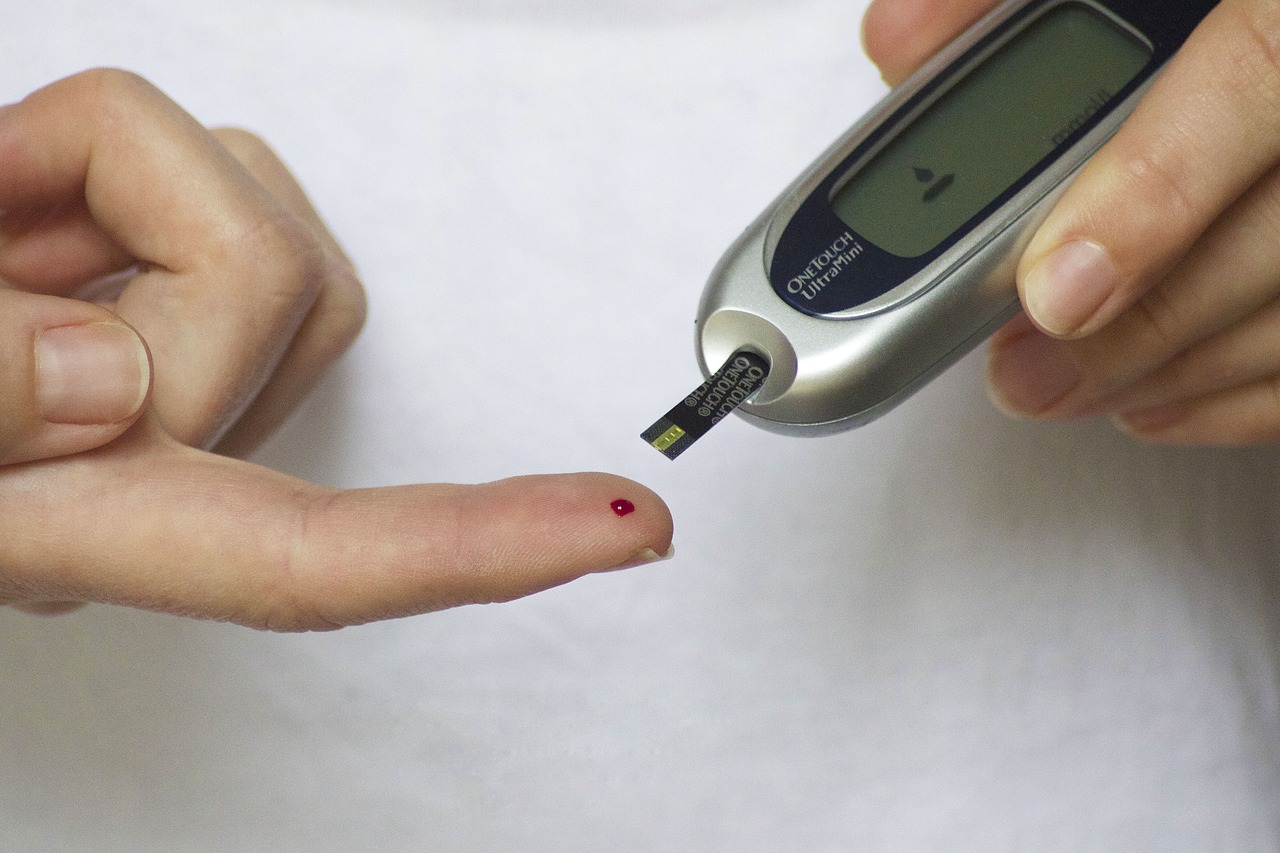
Ozempic (semaglutide) is a GLP-1 receptor agonist originally developed to treat type 2 diabetes. It mimics a natural hormone that regulates blood sugar and appetite, leading to significant weight loss as a side effect.
Name of the drug– Ozempic/ semaglutide
FDA approval on 5 Dec 2017
Mode of Administration– Clear and colorless Injection
Mechanism of action
Ozempic works by slowing gastric emptying, increasing insulin secretion, and reducing hunger signals in the brain. Though FDA-approved for diabetes, its powerful weight loss effects have made it a popular — and sometimes controversial — off-label choice for obesity management.
Ozempic works by mimicking a natural hormone in your body called GLP-1 (glucagon-like peptide-1). This hormone is released from your gut after you eat.
Once injected, Ozempic:
Tells your pancreas to release insulin when blood sugar is high.
Stops your liver from producing excessive glucose, helping to maintain stable blood sugar levels.
Slows down stomach emptying, so you feel full for longer.
Acts on the brain to reduce appetite, which helps with weight loss.
In short, it helps control both blood sugar and hunger, making it effective for diabetes and, indirectly, for weight management.
People who should avoid Ozempic:
Pregnant people
Lactating mothers
Individuals with a personal or family history of medullary thyroid carcinoma (MTC)
People with Type 1 diabetes
Those with severe gastrointestinal disorders (e.g., gastroparesis)
Anyone with known hypersensitivity to semaglutide or its components
Latest research
- How GLP-1 Drugs Reshape Body Composition
Recent studies show that GLP-1 receptor agonists like semaglutide and liraglutide don’t just aid weight loss — they specifically reduce visceral fat while preserving muscle mass and metabolism.
These drugs improve overall body composition and metabolic health in both diabetic and non-diabetic individuals. However, stopping treatment often leads to fat regain, highlighting the need for sustained therapy or lifestyle support.
2. Semaglutide Shows Promise Beyond Diabetes and Obesity
A recent ESSENCE trial reveals that semaglutide — a GLP-1 receptor agonist already known for managing obesity and type 2 diabetes — may also help treat metabolic dysfunction-associated steatohepatitis (MASH) with fibrosis. In patients with biopsy-confirmed MASH, once-weekly semaglutide significantly improved liver histology, resolved steatohepatitis, and reduced fibrosis compared to placebo. These benefits came alongside better weight control, insulin sensitivity, and reduced inflammation. Based on these findings, the FDA has granted accelerated approval for semaglutide (Wegovy) in adults with noncirrhotic MASH and stage 2 or 3 fibrosis — marking a major step forward in tackling this complex liver and metabolic disorder.
3. Can GLP-1 Drugs Boost Fertility in Women with Obesity?
Obesity often delays conception and lowers the success rates of fertility treatments, leading many women to face pressure to lose weight before undergoing assisted reproduction. Emerging research now suggests that GLP-1 receptor agonists (GLP-1RAs) — drugs like semaglutide known for inducing rapid weight loss and improving metabolic health — may also enhance fertility outcomes. By addressing obesity and metabolic dysfunctions linked to polycystic ovarian syndrome (PCOS), GLP-1RAs could potentially increase the chances of pregnancy and improve treatment success. While early findings are promising, ongoing studies are exploring the safety, effectiveness, and ethical considerations of using these drugs as preconception therapy for higher weight women struggling with infertility.
4. GLP-1 Drugs May Protect Eyes in Diabetes
A new study reveals that GLP-1 receptor agonists (GLP-1RAs) — already known for their role in blood sugar control and weight loss — may also benefit eye health in people with type 2 diabetes. In this case-control study, patients treated with GLP-1RAs showed significantly better tear production and tear film stability, key indicators of reduced dry eye disease (DED), compared to those on other glucose-lowering drugs. These findings suggest that GLP-1RAs could offer a protective effect on the ocular surface, highlighting yet another potential benefit of these versatile medications. Larger studies are needed to confirm this promising link between diabetes treatment and eye health.