
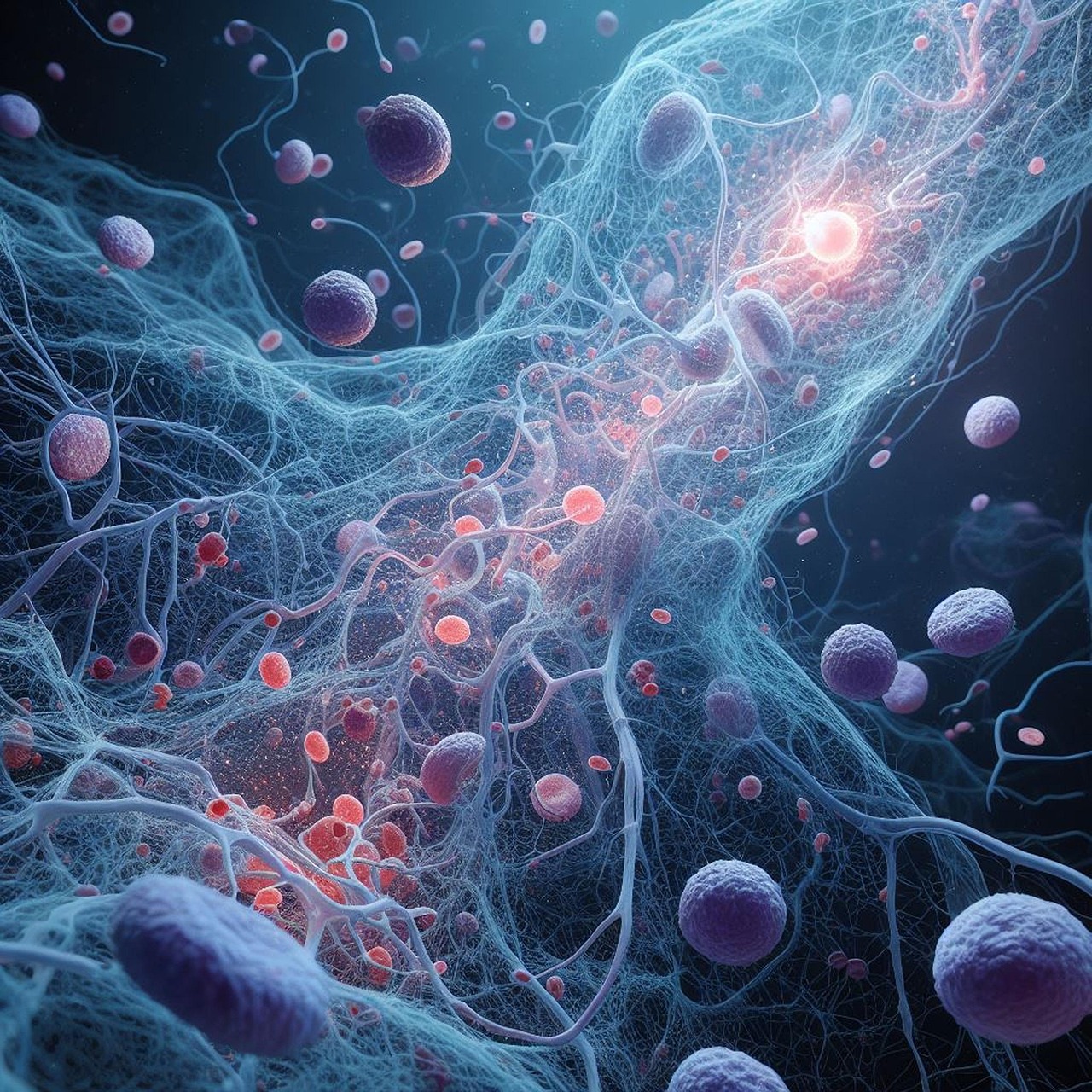
You get a paper cut. A scraped knee. An injection in your arm.
At first, all you notice is a small wound. But beneath the surface, your body has already begun one of its most fascinating biological processes.
Within minutes, millions of cells spring into action. Blood clotting begins, immune cells rush to the site, damaged tissue is cleared away, and the rebuilding process starts. Before you know it, that wound gradually disappears, leaving behind healthy skin or sometimes a scar.
Think about it. Your skin goes from this….
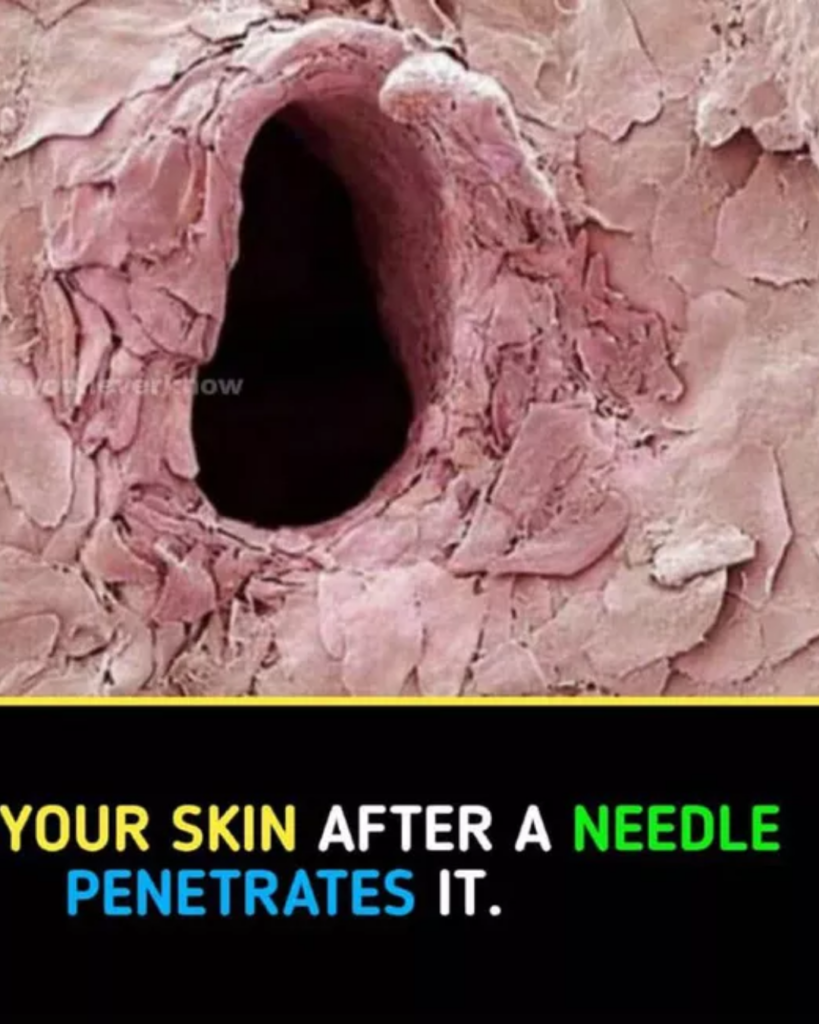
to this….
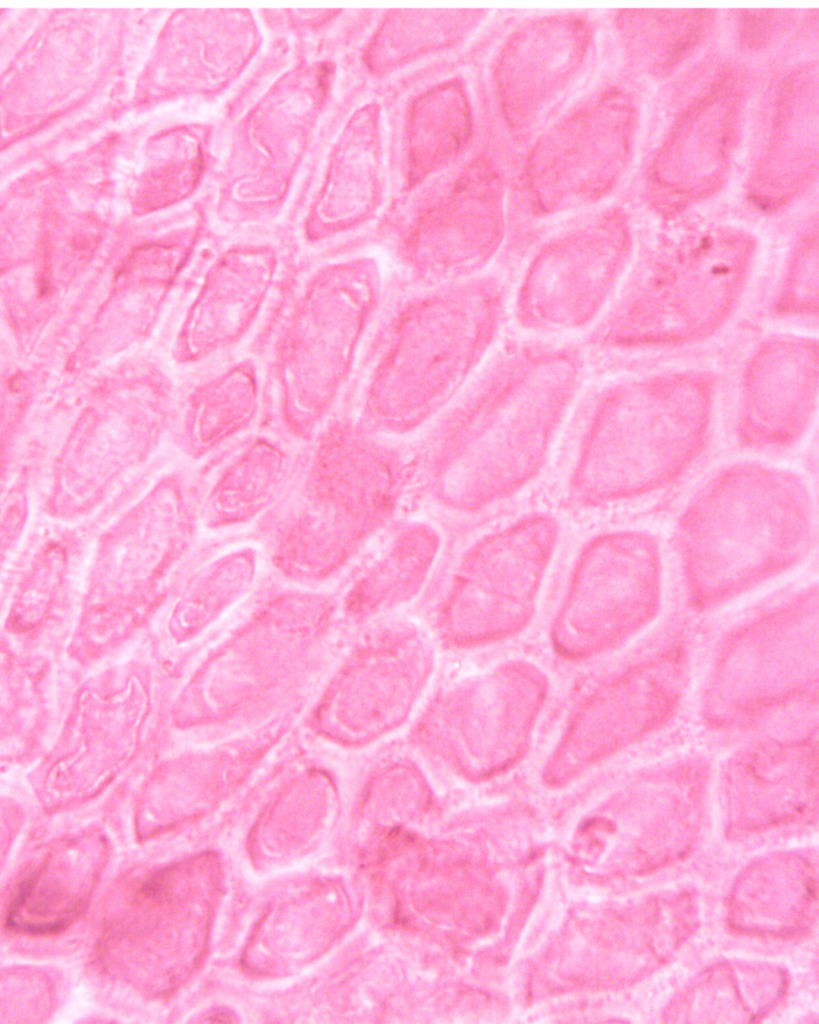
all without you having to consciously do a single thing. Isn’t your body incredible?
Your skin is your body’s protective covering. Beneath it lies a network of blood vessels that continuously deliver oxygen and nutrients to your tissues. When your skin is injured, these blood vessels are damaged too, allowing blood to escape through the opening in the skin.
The amount of bleeding depends on the size and depth of the injury. A paper cut usually damages only tiny capillaries, so the bleeding is minimal. In contrast, deeper cuts that injure larger blood vessels can lead to much heavier bleeding and may require immediate medical attention.
Sometimes, blood doesn’t leave the body at all. If you bump into a table or fall without breaking the skin, the damaged blood vessels leak blood beneath the surface, resulting in a bruise.
Because your heart is constantly pumping blood throughout your body, the bleeding won’t stop on its own unless the damaged blood vessel is sealed. Fortunately, your body has an incredible repair system that gets to work within seconds of an injury.
Step 1: Stopping the Bleeding (Hemostasis)
The very first goal of wound healing is simple: stop the bleeding.
Within seconds of an injury, the damaged blood vessel narrows through a process called vasoconstriction. By constricting the blood vessel, your body reduces blood flow to the injured area, buying valuable time for the repair process.
At the same time, platelets (cell fragments circulating in your blood) rush to the site of injury. They stick to the damaged vessel and to one another, forming a temporary platelet plug.
But this plug alone isn’t strong enough. So, your body activates a series of clotting proteins known as the coagulation cascade. These proteins work together to eventually produce fibrin. This tough mesh-like protein traps blood cells and strengthens the clot.
Within minutes, this stable clot seals the damaged blood vessel, preventing further blood loss and creating the perfect environment for the next stages of healing.
(The molecular details of this fascinating coagulation cascade deserve a story of their own! I’ve linked a research paper below, and I’ll also be breaking it down visually in an upcoming Instagram post.)
While these are happening inside your body, they manifest as physical symptoms like swelling, warmth, redness, and pain.
Physical manifestations of healing
While your body is healing internally, it gives you subtle signs in a physical form-your body’s way of telling you that it is healing the wound well. Let’s look at what happens externally.
Redness, swelling, warmth, pain
Once the bleeding is under control, your body shifts its focus to the next phase of healing: inflammation.
Most people think inflammation is a bad thing, but it is one of the most important steps in wound healing. As soon as the tissue is damaged, mast cells release histamine, a chemical messenger that signals nearby blood vessels to widen (vasodilation) and become more permeable. This allows more blood, immune cells, and healing molecules to reach the wound.
Among the first responders are neutrophils, which destroy invading microbes and clear away damaged tissue. They are soon joined by macrophages, which remove dead cells and debris while releasing growth factors that encourage new blood vessels to form and prepare the tissue for repair.
While all of this activity is taking place beneath the surface, it produces the familiar signs of inflammation that we can see and feel:
- Redness: Blood vessels widen, increasing blood flow to deliver oxygen, nutrients, and immune cells to the injured tissue.
- Swelling: Fluid and immune cells leak from the blood vessels into the surrounding tissue, helping isolate the injury and support healing.
- Warmth: The increased blood flow makes the affected area feel warmer than the surrounding skin.
- Pain: The swelling, along with inflammatory chemicals, stimulates nerve endings, making the wound tender and encouraging you to protect it while it heals.
While your immune system is at work, another familiar sight begins to appear- a scab.
We’ve all been tempted to pick one. But should you?
A scab forms when blood, platelets, and clotting proteins dry into a protective crust over the wound. It’s your body’s bandage. It helps stop bleeding, shields the wound from dirt and microbes, and gives the underlying tissue time to repair itself.
But that being said, a scab doesn’t speed up healing.
While it protects the wound, a hard, dry scab can make it more difficult for new skin cells to migrate across the injured area. This may slow the healing process and even increase the chances of scarring.
That’s why modern wound care focuses on keeping wounds clean and slightly moist, rather than allowing them to dry out completely. Applying a thin layer of petroleum jelly and covering the wound with a clean bandage creates an ideal environment for new skin cells to grow, often leading to faster healing and less scarring.
So, the next time you notice a scab, resist the urge to pick it. Your body is already doing an incredible job of repairing itself. It just needs a little time.
Just when you think the wound is almost healed, it starts to itch. Sound familiar?
Itching is actually a sign that your body is making progress.
One of the main reasons is histamine. It is the same chemical involved in the inflammatory response. While histamine helps widen blood vessels and recruit immune cells during the early stages of healing, it can also stimulate nerve endings, creating an itchy sensation.
As healing continues, new skin cells and collagen fibers are laid down to repair the damaged tissue. At the same time, tiny nerve endings begin to regenerate. This combination of tissue remodeling and nerve regeneration makes the area more sensitive, sending itch signals to the brain.
As tempting as it is, try not to scratch the wound. Scratching can reopen the healing tissue, introduce germs, and delay the repair process.
Why Do Some Wounds Take Longer to Heal?
Not all wounds heal at the same pace. While a small paper cut may disappear within days, deeper wounds or surgical incisions can take weeks or even months to fully heal.
The speed of healing depends on several factors:
- Age: As we grow older, cell division slows down, and tissues regenerate less efficiently.
- Diabetes: High blood sugar can damage blood vessels, reducing the supply of oxygen and nutrients needed for repair.
- Poor nutrition: Healing requires proteins, vitamins (especially vitamin C), zinc, and other nutrients. A deficiency can slow tissue repair.
- Smoking: Chemicals in cigarette smoke reduce blood flow and oxygen delivery, making it harder for wounds to heal.
- Infection: If bacteria enter the wound, the immune system must focus on fighting the infection before it can continue repairing the damaged tissue.
Although these factors may delay healing, the goal remains the same: to restore the skin’s protective barrier as efficiently as possible.
Every scrape, cut, or surgical incision sets off a chain of biological events. Millions of cells communicate, coordinate, and rebuild damaged tissue all without us consciously realizing it. The next time you notice a wound healing, remember that your body is performing one of nature’s most remarkable repair processes.
Thanks for sharing