

For most non-vegetarians, chicken is the most affordable and accessible source of protein.
But to get the maximum benefit, it’s not just about eating chicken- it’s about which part you choose and how you cook it.
Chicken breast? Thighs?
Grilled, roasted, or boiled?
As it turns out, there’s real science behind these choices.
Yes- there’s more science to a juicy plate of chicken than we expect.
Why Chicken Is a High-Quality Protein
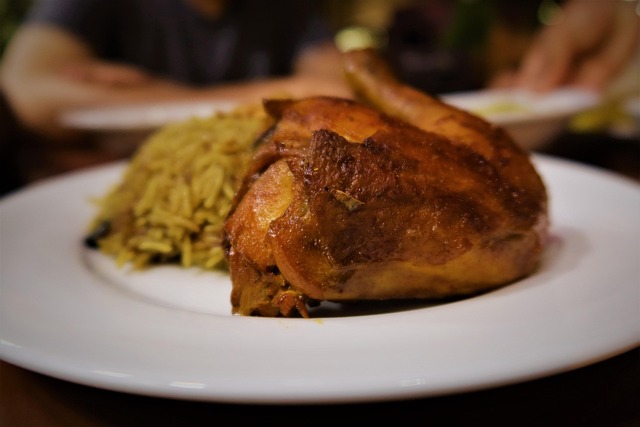
Chicken is considered an excellent dietary protein because it is a complete protein, meaning it provides all nine essential amino acids that the human body cannot synthesize on its own. These amino acids are necessary for muscle repair, enzyme activity, hormone production, and overall metabolic health.
However, protein content is not evenly distributed across all parts of the chicken.
Protein Distribution Across Chicken Cuts (per 100 g)
- Chicken breast: ~31 g protein
- Very low fat (~3.6 g)
- Chicken thighs: ~24-26 g protein
- Higher fat content
- More moisture and flavor
- Drumsticks: ~24–28 g protein
- Balanced protein-to-fat ratio
- Chicken wings: ~20–30 g protein
- Higher fat content (~8–16 g)
- Fat contributes significantly to juiciness and flavor
- Chicken liver: ~18 g protein
- Rich in iron and other micronutrients
- Lower protein density but high nutritional value
Lean cuts maximize protein per calorie, while fattier cuts trade a small reduction in protein density for enhanced flavor and satiety.
Why Dark Meat Is Juicier and Richer in Flavor
The difference between white meat and dark meat lies in the physiology of the muscles.
- Dark meat (thighs and drumsticks) comes from muscles used for continuous, slow movements like walking.
- These muscles rely on oxidative metabolism, which requires:
- More myoglobin (an oxygen-storing protein)
- Greater fat content for sustained energy
As a result, dark meat appears darker, contains more fat, and feels juicier and richer in flavor when cooked.
How Cooking Methods Change Chicken Protein
Chicken can be cooked in many ways, but the cooking method influences how the protein behaves inside the meat.
Cooking techniques can broadly be grouped based on how gentle or intense they are on protein structure.
Gentler Cooking Methods
- Boiling
- Steaming
- Baking (moderate temperatures, longer duration)
These methods use moist heat or controlled temperatures, causing protein denaturation without excessive structural damage.
Denaturation is not harmful- it unfolds protein molecules, making them easier for digestive enzymes to access.
As a result, these methods generally preserve protein digestibility, especially for individuals with higher protein needs or sensitive digestion.
Higher-Heat, Direct-Exposure Methods
- Frying
- Roasting
- Grilling
- Microwaving
These methods expose chicken to direct, intense heat, which can lead to:
- Greater protein aggregation
- Formation of cross-linked protein structures
- Increased oxidation of amino acids
While the total protein content does not drop significantly, these changes can make some proteins slightly harder to digest.
Does Cooking Destroy Protein? Busting a Culinary Myth
It’s often said that heat denatures proteins and therefore destroys protein in chicken.
This sounds logical — but it’s scientifically misleading.
Denaturation ≠ Protein Loss
Yes, heat denatures proteins.
But denaturation simply means the protein changes its shape, not that it disappears.
During cooking:
- Proteins unfold and coagulate
- Water evaporates from the meat
- Protein becomes more concentrated per unit weight
As a result, the total protein content remains largely unchanged after cooking.
Only under prolonged exposure to very high, direct heat does a small amount of protein loss occur — and even then, it is nutritionally insignificant.
What changes more noticeably is texture and moisture, not protein quantity.
Final Take: It Depends on Your Goal
Chicken remains one of the best dietary protein sources because it is complete, versatile, and accessible.
But getting the most out of it depends on what you choose and how you cook it.
Fat isn’t the villain.
It adds flavor, juiciness, and satiety- and in moderation, it has its place.
In the end, the healthiest plate isn’t about avoiding fat or obsessing over protein counts.
It’s about making informed choices that match your goals.
Informative, thanks for sharing