
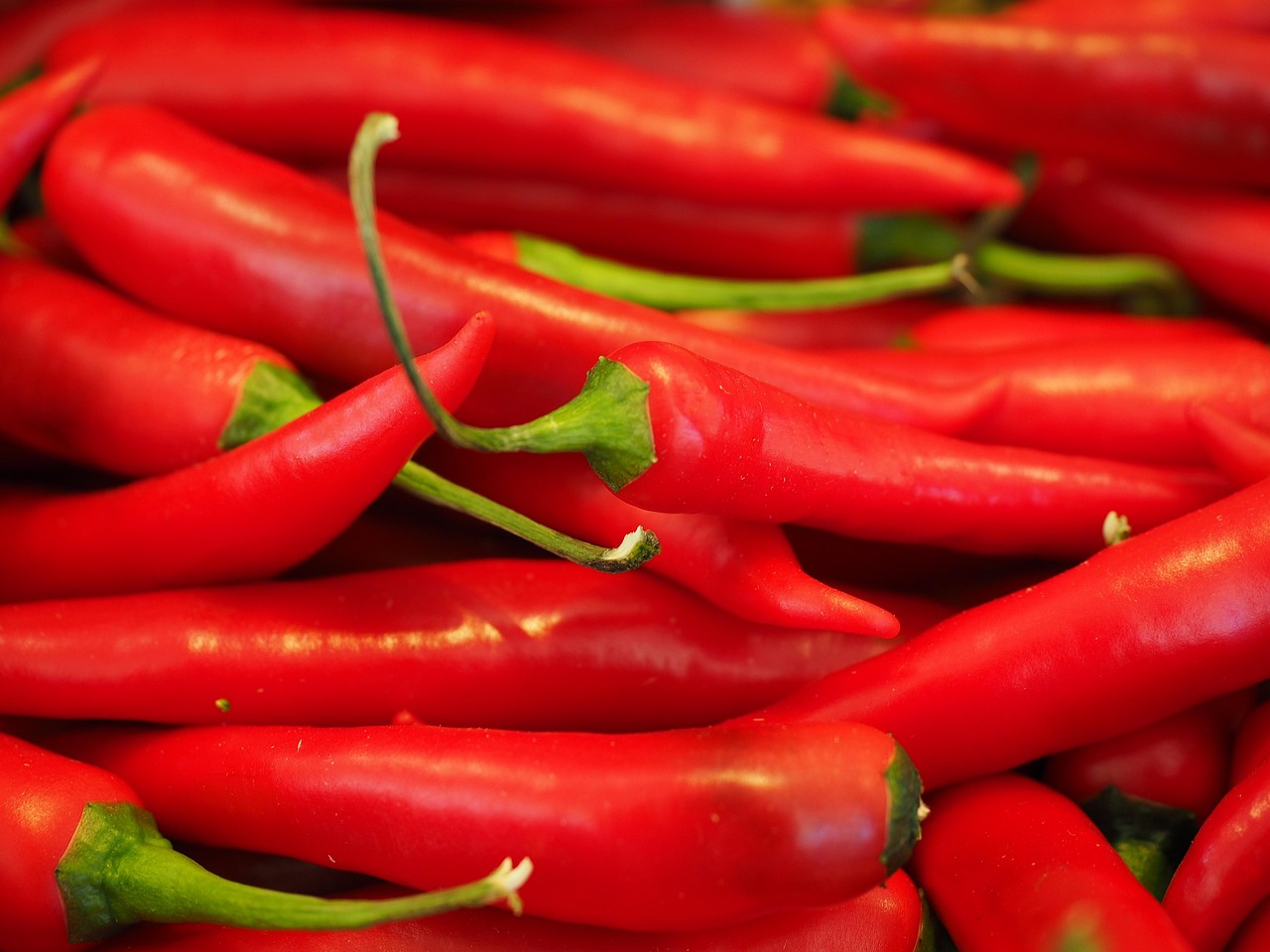
Red chilly is the most dreaded spice for most of us. Imagine the feeling of mistakenly biting into one- ouch- that burning sensation. You immediately grab a glass of water… nope.. big mistake. You wouldn’t grab a glass of water if you knew the science behind the heat. SO, let’s find out why our tongue burns and what you should do to cool it down.
Vice behind that spice
A tiny organic molecule can put your mouth on fire- and that is capsinoids. Our brain interprets it as heat or, in excessive amounts, pain. The interesting part is that even though you eat spicy foods, your taste buds cannot sense the compound. Your taste buds can detect 5 types of tastes: sweet, salty, bitter, sour, and umami. But why do we taste the spice? It is because it is directly sensed by nerve endings present not just in our tongue but also almost everywhere in the body. It specifically binds to the TRPV1 receptors in your mouth, skin, and other organs. That is why you don’t feel the sweetness when you touch sugar, but feel the heat or burn when you touch chilly powder.
Why can birds chew on red chilly and still not feel any heat?
There is an interesting theory. Plants evolved so that birds can eat the fruit (such as cherries) and disperse their seeds, while preventing mammals from eating them and damaging the plant. So, why do we eat chili in the first place? Humans like to take pleasure in little pain. And when we eat, our body releases more compounds like endorphins and dopamine that alleviate the pain. All this so we can feel better later!
Why do you burn yourself rather than merely tasting the spice?
To answer this, let’s go back to TRPV1, the receptor to which capsaicin binds. It is a heat receptor. So, when there is too much spice (and naturally, too much capsaicin), your brain thinks your body is overheating. In response to this, your brain turns on its natural air-conditioner through a runny nose, watery eyes, or sweat.
Why are some people more spice-tolerant?
Continuous or repeated exposure of capsaicin to TRPV1 desensitizes the receptor, thereby increasing spice tolerance.
A fire extinguisher to quench the spice
While most of us grab a glass of water after we eat a spicy meal, it generally doesn’t help.. or even if it helps, it is purely psychological. The best thing is to grab a glass of milk. Here’s why.
Capsaicin is hydrophobic. So, any amount of water you drink is going to be repelled by your capsaicin. Fortunately, they are soluble in compounds like milk, alcohol, or oil… basically anything with fats in them. The fatty milk and spicy capsaicin react and help reduce the heat. How does this work? The casein protein in milk breaks down the capsaicin, thereby helping reduce the heat.
So, the next time your mouth feels like a dragon’s mouth is on fire, don’t reach for water. Grab a glass of milk or even ice cream instead. Why? Because science says so!
Spread the word and help your friends extinguish the fire in their mouths, the smart way.
Fascinating, thanks for sharing!