
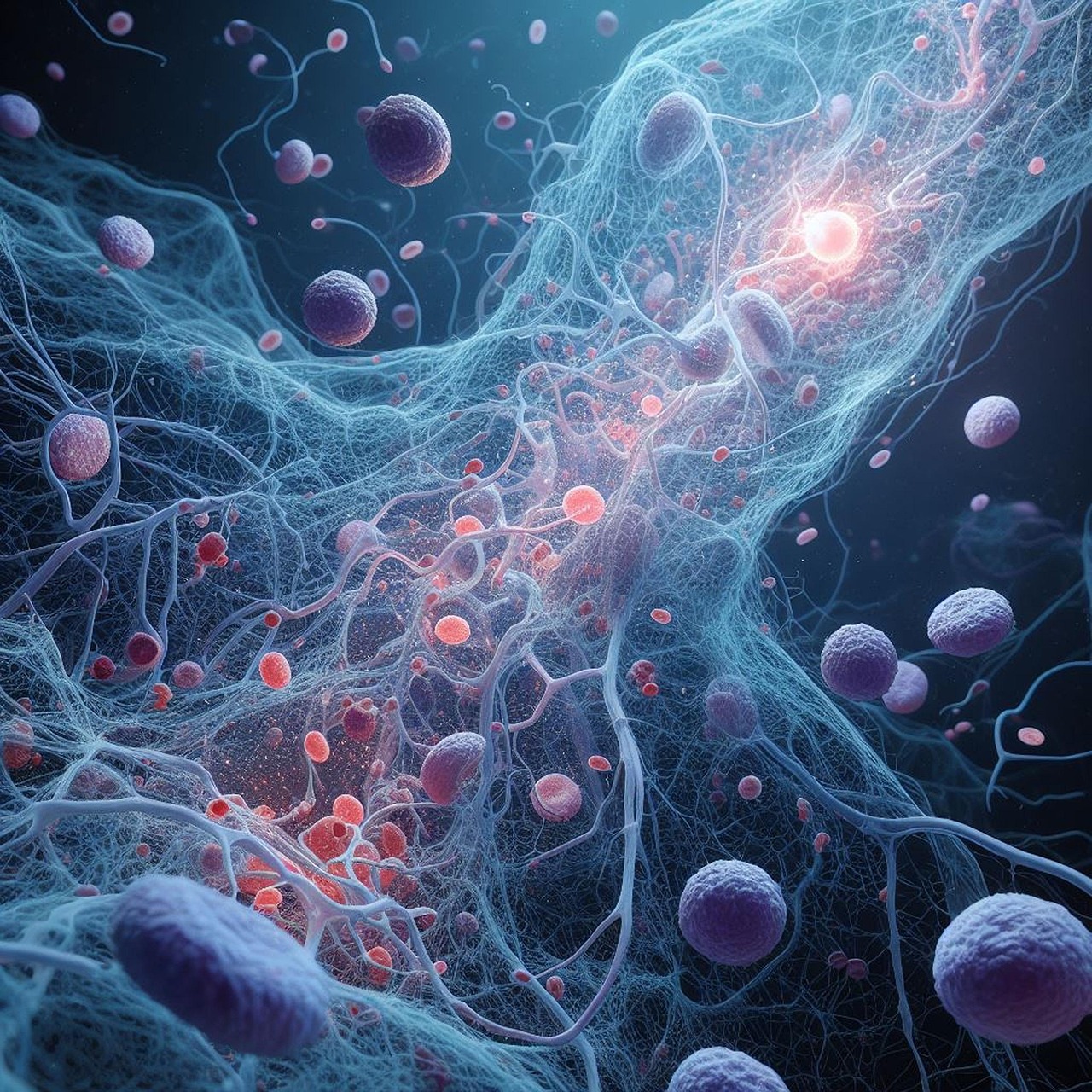
Why doesn’t our immune system usually attack us? And what goes wrong in autoimmune disease?
Immunology’s most intriguing question – explored, answered, and now recognized.
Read till the end to find out more about the breakthrough that earned the 2025 Nobel Prize in Physiology or Medicine.
Get to know your immune system
The immune system is a remarkably complex and essential part of our bodies. It protects us from viruses, bacteria, fungi and other foreign threats by recognizing and eliminating anything that doesn’t belong. Most of the time this system identifies friend from foe correctly, but in autoimmune condition the balance breaks down and the body attacks its own cells. Why does that happen? What keeps our immune system in check? The answer lies in the guards that normally prevent self-directed responses: a combination of central and peripheral tolerance mechanisms that together maintain immune balance. In this post, we’ll delve into peripheral immunity and introduce the researchers honored with the 2025 Nobel Prize in Physiology or Medicine for their contributions to this field.
This year (2025), the Nobel Prize for Physiology or Medicine is awarded to three researchers: Mary E. Brunkow, Fred Ramsdell, and Simon Sakaguchi.
How it all started..
They pondered the very same question I raised at the beginning and devoted their work to answering it.
And the answer- Regulatory T cells. They discovered this specialized group of immune cells. As part of the peripheral immune system, they discovered how they keep our immune system in check.
Their quest to the question was answered way back in 1995 by Shimon Sakaguchi. Before that, the general conception was that harmful immune cells were destroyed in the thymus- largely involving central tolerance.
In 1995, Sakaguchi discovered the previously unknown group of immune cells largely involving the peripheral immune system.

The next discovery in this field was in 2001, when Mary Brunkow and Fred Ramsell identified why one particular mouse strain was vulnerable to autoimmune diseases. Their discovery was mind-blowing- a mutated Foxp3 gene, the human equivalent of IPEX, known to be involved in autoimmune conditions.
In 2003, Dr. Sakaguchi linked both the discoveries and confirmed that the Foxp3 gene governs the development of Regulatory T cells (which he discovered in 1995). They carefully monitor other immune cells and ensure they tolerate our own cells.
Clinical Significance: Why Peripheral Immunity Matters
Understanding the mechanisms of peripheral immune tolerance turned out to be a game-changer. By discovering how our immune system distinguishes between self and non-self outside the thymus, we found-
- Ways to treat autoimmune conditions like rheumatoid arthritis
- Improve transplant acceptance, and
- Improve immunotherapies used in cancer.
That was a brilliant discovery by the three Nobel laureates – one that inspires us to understand our immune system on a deeper level.
As I come to the end of this post, I couldn’t help but wonder why there’s often such a long gap between a discovery and its recognition. So, I did a bit of research!
In short, the Nobel Committee usually waits for long-term validation and clear real-world impact — something that often takes years to unfold.
If you didn’t know this before, I hope you learned something new today.
Until the next post — happy reading!
Thanks for sharing!