
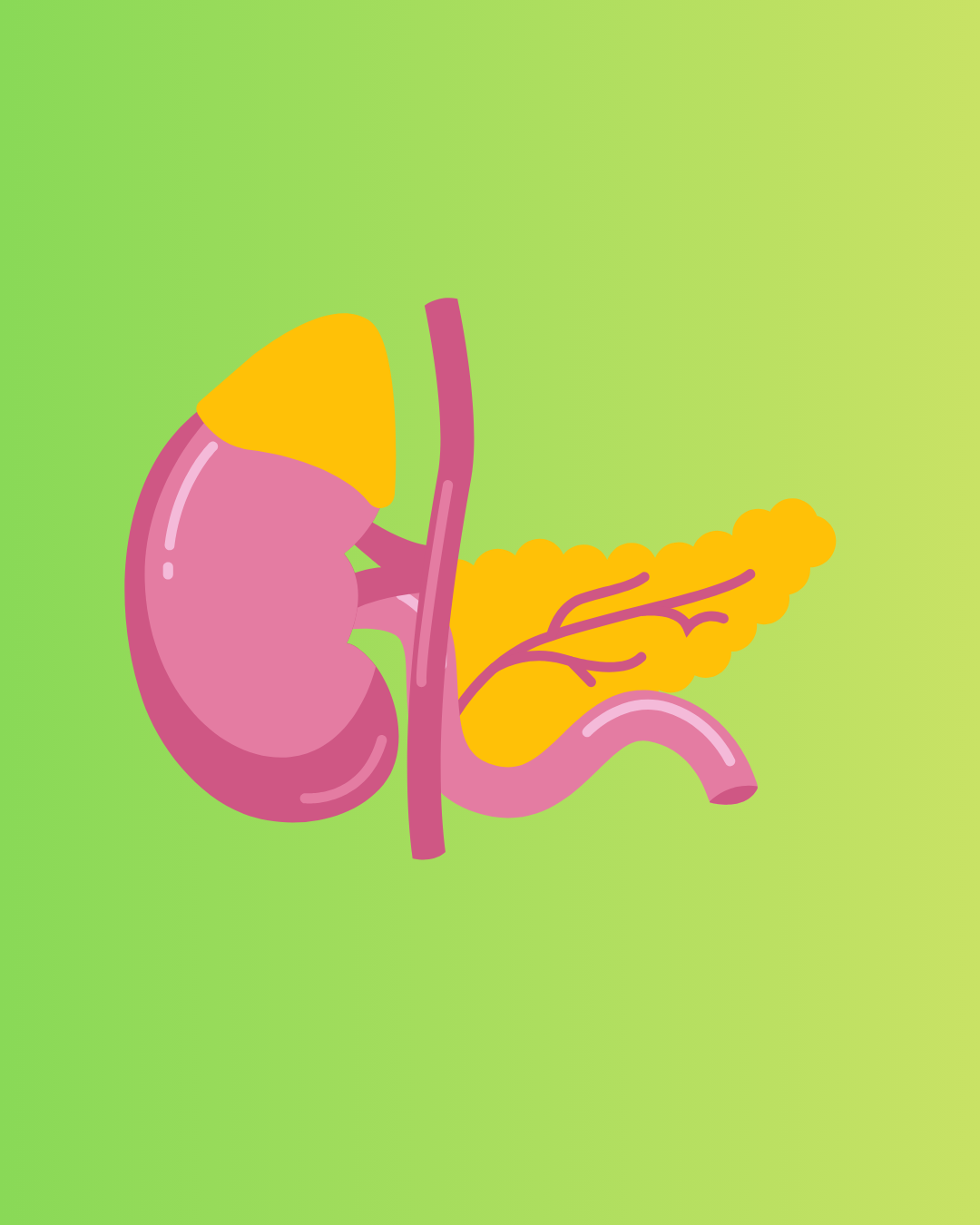
Pancreatic cancer is one of the deadliest and most aggressive cancers in the world. I’ve previously posted a video on the “top seven most aggressive cancers” , and pancreatic cancer consistently ranks near the top.
One of the biggest challenges with pancreatic cancer is how rapidly it spreads and how early it learns to outsmart treatment. Tumors activate multiple pathways that help them evade chemotherapy, repair damage, and continue growing even when one of these pathways is blocked.
The numbers make the situation even more sobering. In 2022 alone, nearly 500,000 people worldwide were diagnosed with pancreatic cancer. Even more staggering is the five-year survival rate, which is just around 13%. That means only a small fraction of those diagnosed today will still be alive five years later!
Because of this grim reality, any genuine scientific advancement that shows the potential to control or cure pancreatic cancer is globally awaited. Breakthroughs in this field are not just exciting, but are desperately needed.
A breakthrough from the lab: a triple-drug strategy against pancreatic cancer
Instead of relying on a single drug, researchers tested a triple-drug combination strategy. It attacks the pancreatic cancer from three different angles at the same time.
This approach combines:
- Daraxonrasib, which targets KRAS, the main driver of mutation in pancreatic cancer
- Afatinib, which blocks EGFR and HER2, pathways that cancer cells activate to escape treatment
- SD36, an experimental molecule that disables STAT3, a key survival and resistance signal
Together, this combination therapy shuts down the cancer’s main engine, blocks its escape route, and disables its backup survival plan. By cutting off all three pathways simultaneously, the tumor is left with very few ways to adapt or survive.
This multi-pronged approach addresses one of the biggest problems in pancreatic cancer treatment: the tumor’s ability to quickly find alternative routes when one pathway is blocked.
Hitting the main engine: shutting down KRAS
At the heart of pancreatic cancer lies KRAS, a gene that plays a central role in driving tumor growth. Nearly 90% of pancreatic ductal adenocarcinomas carry mutations in KRAS, making it one of the most consistent and powerful drivers of this disease.
Because of its importance, KRAS has been intensely researched for decades. Several therapies have been developed to target the KRAS pathway, and more recently, drugs have finally begun to directly inhibit KRAS itself.
However, targeting KRAS alone has not been enough. When KRAS signaling is blocked, pancreatic tumors often activate alternative pathways to survive, allowing them to continue growing or return after treatment.
This is why targeting KRAS alone is not enough. A combination-based approach is needed.
Blocking the escape route: targeting EGFR and HER2
When KRAS signaling is blocked, pancreatic cancer cells don’t simply shut down. Instead, they often activate alternative growth pathways to survive. One of the most common escape routes involves EGFR and HER2, receptors that help cancer cells continue receiving growth and survival signals.
Afatinib is a drug designed to block both EGFR and HER2, effectively cutting off this escape mechanism. Importantly, afatinib is already approved for clinical use in several cancers, including certain types of lung cancer, which means its safety profile is well understood.
By preventing EGFR and HER2-driven feedback activation, afatinib helps ensure that cancer cells cannot bypass KRAS inhibition and resume uncontrolled growth. In this combination strategy, afatinib plays a crucial role in stopping the tumor from finding an alternative route to survive.
Destroying the backup plan: disabling STAT3
Even when both KRAS and EGFR pathways are blocked, pancreatic cancer cells can still survive by activating a backup. One of the most important players in this process is STAT3.
Signal Transducer and Activator of Transcription 3 (STAT3) is a transcription factor that regulates genes involved in cell survival, inflammation, immune evasion, and therapy resistance. Because of its central role in cancer progression, STAT3 has long been considered an attractive therapeutic target, not just in pancreatic cancer, but across many human diseases.
However, targeting STAT3 has proven extremely challenging. Despite more than two decades of intensive research, most attempts to inhibit STAT3 directly have failed, largely because transcription factors are difficult to block with conventional drugs.
SD36 overcomes this challenge by disabling STAT3 itself, effectively shutting down the cancer cell’s last resort for survival. By removing this backup plan, the tumor is left with no viable signaling pathways to fall back on.
What happened in mice: complete tumor regression without relapse

When this triple-drug combination was tested in mouse models of pancreatic cancer, the results were striking. The treatment led to complete tumor regression, with the tumors effectively disappearing in the treated animals.
Even more remarkable was what happened after treatment stopped. The mice showed no signs of tumor recurrence for more than 200 days, a significant period in a mouse’s lifespan and a strong indicator of durable response. This lack of remission is especially important in pancreatic cancer, where relapse is one of the biggest challenges in treatment.
Equally notable, the combination therapy was well-tolerated, with minimal observable side effects.
While these findings are limited to preclinical models, they demonstrate that blocking the cancer’s main driver, escape routes, and backup survival mechanisms at the same time can prevent resistance from emerging. This is something current therapies have struggled to achieve.
Why this three-pronged attack matters?
This approach matters because it does something pancreatic cancer treatments have rarely achieved before: it targets multiple critical genes and pathways at the same time. Using three drugs, the strategy effectively interferes with four major genes involved in tumor growth, survival, and resistance.
Most current therapies focus on blocking a single pathway. While this can slow tumor growth temporarily, pancreatic cancer is notorious. This triple-drug strategy is different because it is designed to prevent those escape routes from activating in the first place.
By shutting down the cancer’s primary driver, blocking its adaptive feedback pathways, and disabling its last resort, the therapy leaves tumor cells with very few options to survive or rebound. This is precisely why the treatment showed durable responses without relapse in preclinical models.
A reality check: why this is exciting but not a cure yet
Despite the remarkable results, it is important to keep expectations grounded. This research has so far been conducted only in mouse models, not in humans. A treatment can only be called a cure if it proves to be safe and effective in human patients, and that process takes time.
Before any new therapy reaches the clinic, it must pass through multiple stages of human clinical trials, typically spread across four phases. These trials are designed to carefully evaluate safety, dosing, effectiveness, side effects, and long-term outcomes. Even with promising preclinical data, this process can take several years.
Many treatments that perform exceptionally well in animals fail to show the same results in humans. Differences in biology, tumor complexity, and drug tolerance mean that preclinical success does not guarantee clinical success.
That said, the strength of this study lies in its strategy. By addressing resistance upfront rather than after it emerges, this research offers a realistic and scientifically sound path forward, even as human trials are still awaited.
It is still too early to call this a cure. But the results strongly suggest a new and promising direction for pancreatic cancer treatment. It focuses on preventing resistance rather than reacting to it. If these findings can be translated to humans, this strategy could mark a significant shift in how one of the deadliest cancers is treated.
Thank you for sharing