
Have you ever eaten something too spicy or indulged in a rich meal, only to feel a burning sensation up your throat? You can blame that uneasy feeling in your stomach for acid reflux.
Acid reflux occurs when stomach acid flows back into the esophagus, causing discomfort, heartburn, and sometimes more serious complications. But what exactly triggers it? And how can you manage or prevent it?
Let’s dive deep into the causes, effects, and coping strategies to keep acid reflux at bay!
What is acid reflux?
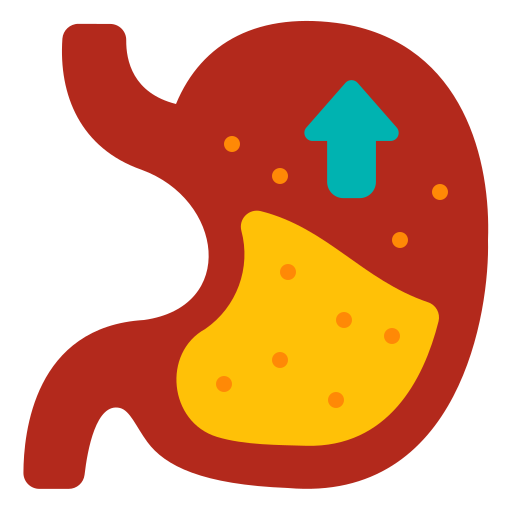
Also known as gastroesophageal reflux, it is a common occurrence once in a while. But, when you get it often, it becomes a gastroesophageal reflux disease (GERD). Acid reflux occurs when stomach acid flows back up to the food pipe. This causes a burning sensation and irritates your throat. This wouldn’t happen on a regular day because we have sphincters or valves in place. These specialized muscles prevent the acid from the stomach from moving back up into the esophagus.
We have 5 sphincters in our digestive system- Lower esophageal sphincter, Upper esophageal sphincter (between pharynx and esophagus), pyloric sphincter (between stomach and duodenum), sphincter of Oddi (between liver and duodenum), and anal sphincter (between small and large intestine).
Among the five, the lower esophageal sphincter is present at the junction between the stomach and esophagus and is responsible for acid reflux. This muscle relaxes when you swallow to allow the passage of food or liquids into the stomach. However, when it relaxes at the wrong time or doesn’t relax, it results in the release of stomach acid into the esophagus. The acidic nature of the stomach fluid can irritate the esophagus giving you a burning sensation called heartburn. The acid can also inflame your esophagus.
Symptoms of acid reflux
- Heart burn- the irritation caused due to the acid is the main symptom. This can give a sense of discomfort and nausea.
- Regurgitation- you can feel liquid or food coming back into the mouth
- Sour or bitter taste at the back of the throat- due to the acidic nature of the stomach acid.
- Other symptoms include Upper belly or chest pain, or trouble swallowing.
What causes acid reflux?
- A relaxed lower esophageal sphincter (LES) or muscle- causes stomach acid to come back up into the stomach.
- Hernia- a condition where a part of your stomach protrudes above the diaphragm, thus weakening the LES.
- Certain foods- like spicy, oily foods, coffee or even some citrus fruits can trigger a GERD.
- Lying down after eating- are you someone who takes a nap after a meal? Then it is best to avoid it as your stomach acids are still in action and by lying down, there is more chance that your acids may come back up.
- Obesity- can put pressure on your stomach and LES
- Pregnancy- hormonal changes and pressure from the growing baby can cause acid reflux.
How can you manage acid reflux?
- Dietary changes- choosing the right foods can help you keep acid reflux at bay. Avoid foods that trigger GERD like spicy, fatty foods or even caffeine if it triggers your stomach.
- Weight management- managing your weight and being physically active can reduce the pressure on your stomach, thereby reducing your chances of getting acid reflux.
- Elevate the height of your bed or use extra pillows- this is especially effective if you suffer from heartburn while you are asleep.
- Avoid napping right after lunch or dinner- keep a minimum of two hours gap between your last meal and bedtime.
Treating acid reflux
While lifestyle changes are long-term and help prevent the condition, treatment strategies will give some immediate relief.
- Antacids- as the name suggests, they are anti-acids, working against or neutralizing your stomach acid. They come in the form of over-the-counter medications.
- H2 blockers- they prevent the stomach from producing more acid. They are known as H2 blockers because they block the chemical that asks your stomach to produce the stomach acid I.e. histamine.
- Proton pump inhibitors- they work similar to H2 blockers, but are a lot stronger. You will be prescribed PPIs if the GERD is very severe. It is more effective than the other class of medications.
- Alginates- they are natural sugars obtained from seaweeds. They create a physical barrier between acid and the esophagus by floating on the acid. This way, it prevents the acid from coming back to the esophagus.
Preventing Acid reflux
Acid reflux can be incredibly uncomfortable, but the good news is that relief is possible through lifestyle changes and medications. However, prevention is always the best approach. Here’s what you can do to keep acid reflux at bay.
- Eating smaller meals- Indulging in a large meal might put pressure on your stomach and weaken your LES, resulting in acid reflux. Moreover, smaller meals do not stimulate your stomach to produce more acid.
- Eating an early dinner- This is something doctors have been advising for along time. Gravity plays an important role in keeping the acid at bay before you settle down on your couch.
- Sleeping on your left side- This position keeps your LES above your stomach contents. This doesn’t submerge the sphincter. This is why pregnant ladies are advised to sleep on their left.
- Quit smoking and drinking- Both alcohol and cigarettes weaken your LES resulting in acid reflux.
Have you experienced acid reflux? What strategies work best for you? Share your thoughts in the comments!
Very informative!
Great read as always, thanks for sharing.