
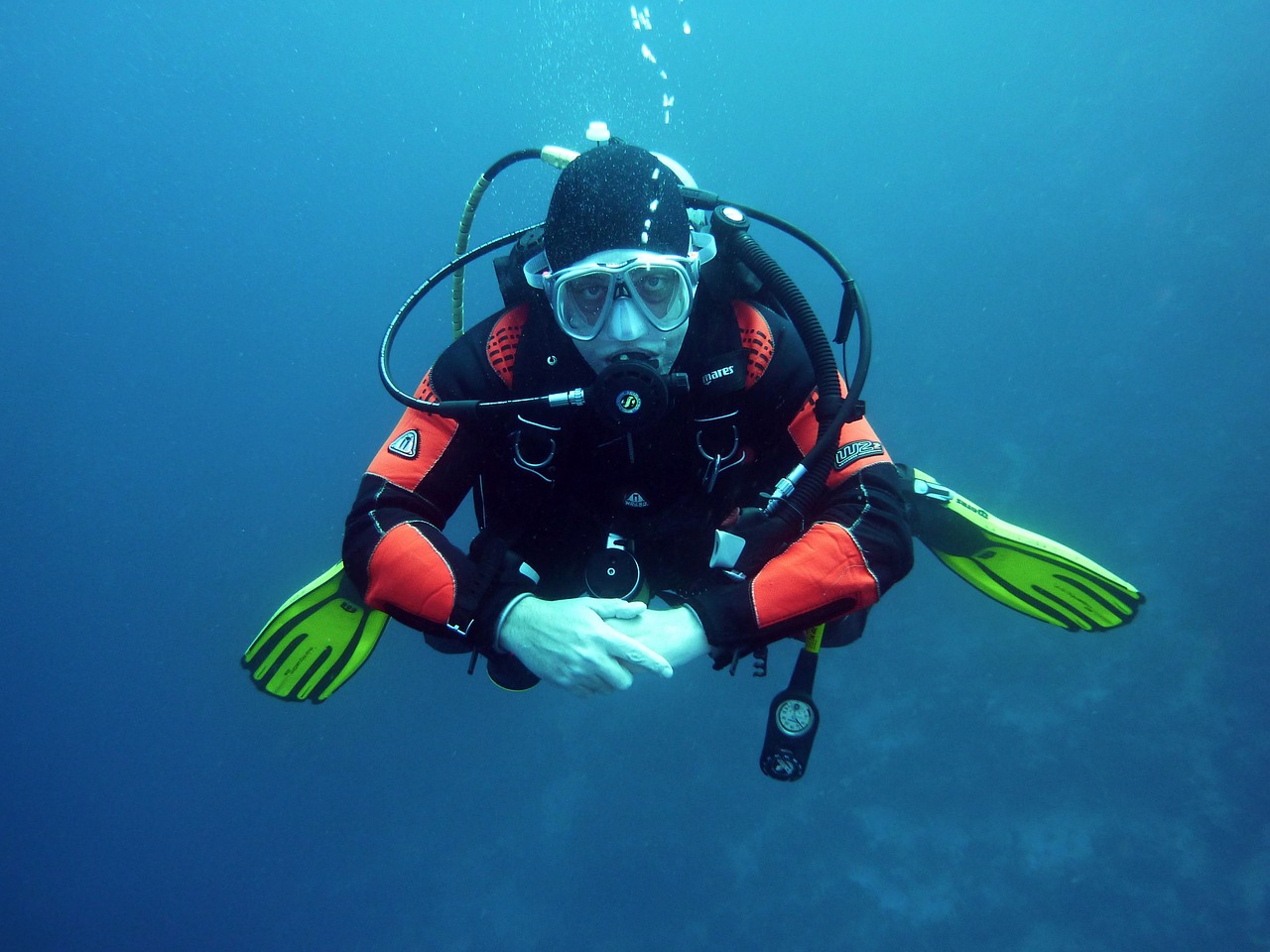
Several feet beneath the ocean surface lies a world we rarely think about- vast, complex, and constantly changing.
While we focus on curing diseases, tackling plastic pollution, or sending humans to Mars, an entirely different story is unfolding underwater. Quietly. Continuously.
Marine ecosystems are evolving in ways we are only beginning to understand- from microscopic organisms adapting to extreme conditions to unseen particles shaping carbon cycles. And without us even realizing it, these changes are already influencing our climate, our food, and even our health.
So what’s really happening beneath the surface? Let’s dive into some of the most intriguing discoveries from recent ocean research.
Life Beneath the Ocean’s “Snow”
One of the most fascinating phenomena in the ocean looks almost like something out of a fantasy movie.
At first glance, it appears to be snow falling through the deep sea.
But.
This is “marine snow”- a slow, continuous shower of organic particles drifting through the ocean. These tiny fragments carry nutrients, support entire ecosystems in the deep sea, and quietly play a crucial role in regulating Earth’s carbon cycle.
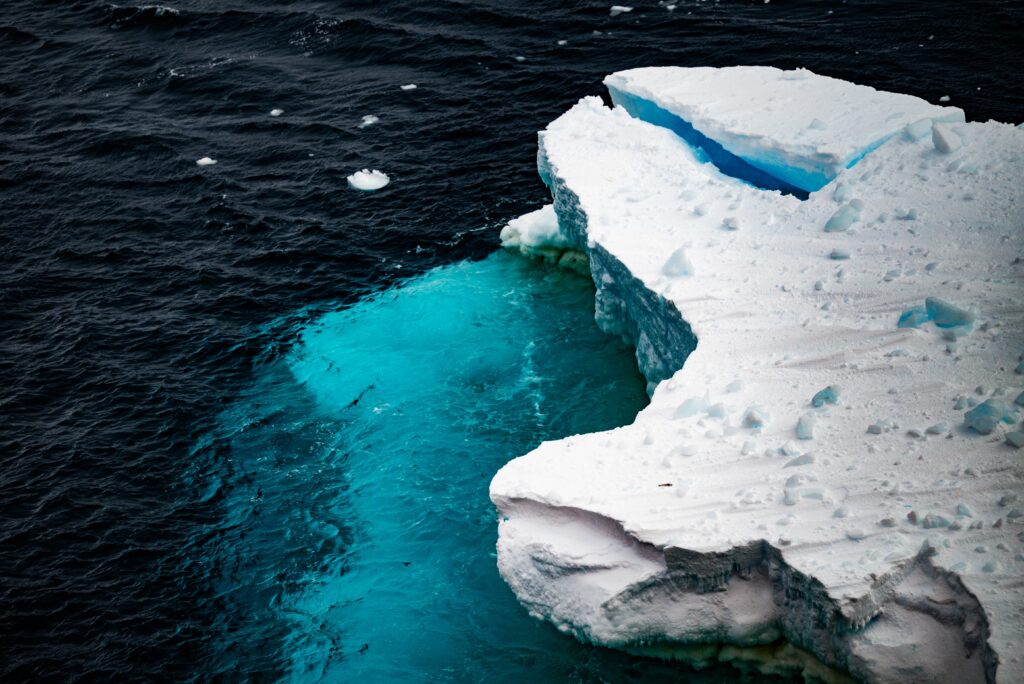
In some of the coldest regions of our planet, ocean surfaces freeze into vast sheets of sea ice often covered by layers of snow that act as natural insulators, preventing heat from escaping into the atmosphere.
And yet, beneath this frozen, dimly lit world… life thrives.
The first hint? Color.

Subtle shades of green, brown, and even golden reveal the presence of microscopic algae- tiny photosynthetic organisms that form the foundation of these ecosystems. Much like plants on land, they support entire aquatic food webs.
What makes this even more remarkable is the environment they survive in:
- subzero temperatures
- extreme salinity due to brine channels
- fluctuating pH and gas composition
- limited nutrients
And perhaps most challenging of all, almost no light.
So how do they survive?
Many of these organisms rely on mixotrophy- a flexible survival strategy where they combine photosynthesis with alternative nutrient sources when light is scarce. Some can endure months of darkness, adapting in ways that push the limits of what we understand about life.
What seems like a silent, frozen, or lifeless environment is dynamic, adaptive, and resilient, offering us a glimpse into how life persists under extreme conditions.
But life in the ocean isn’t just about surviving extreme conditions; it’s also about sensing change, adapting to it, and in some cases, warning us long before we notice anything ourselves.
Meet one of the ocean’s smallest biosensors- Diaphanosoma celebensis.
This tiny marine organism is helping scientists understand how ocean life responds to stress long before visible damage appears.
From microplastics to heavy metals and even hormone-disrupting chemicals, its biological responses act like early warning signals. At a molecular level, it reveals how marine organisms activate detoxification pathways, manage stress, and even undergo subtle genetic and epigenetic changes to survive.
Because by the time large-scale damage becomes obvious in the ocean, the smallest organisms have already been responding for a long time.
And that’s what makes these findings so important. The changes happening in the ocean aren’t isolated. They don’t stay hidden beneath the surface.
They move through ecosystems, food chains, and eventually… towards us.
In Part 2, we’ll explore how these invisible shifts are already influencing human health from the food we eat to the molecules shaping future medicine.
Very interesting!