In recent years, AI has been assisting surgeons in the operating room and helping doctors analyze CT scan reports. It was quietly becoming a part of modern healthcare.
But over the past few months, something changed- dramatically. AI is now actively shaping drug discovery- a tedious yet important process that takes decades to complete.
Platforms like Insilico Medicine’s Pharma.AI are using generative models trained on existing biological and clinical data to identify drug targets, design molecules, and even predict the success of clinical trials.
Tools such as PandaOmics can analyze vast omics datasets, map disease pathways, and generate insights that would take humans years to compile. Others, like Generative Biologics, can design peptides, antibodies, and nanobodies tailored to specific targets.
The numbers are impressive. The speed is undeniable. And in an industry where developing a single drug can take over a decade and cost billions, this shift certainly feels necessary.
But beneath the promise lies a deeper question.
If AI is identifying targets, predicting outcomes, and accelerating decisions-
How much of this process do we truly understand, and how much are we simply trusting?
Also, Generative AI learns from existing data. But diseases themselves are not always fully understood. So when AI identifies a “novel” target, is it truly discovering something new or simply recombining what we already know?
Let’s dive deeper and understand what AI can and can’t do and when we need a human in the loop.
Does AI Truly Understand Disease Biology?
AI can analyze complex datasets, identify molecular mechanisms, predict gene mutations, and uncover patterns that may not be immediately visible to the human eye. It can also pinpoint potential biomarkers and therapeutic targets with remarkable speed and scale.
However, this does not mean that AI “understands” disease biology in the way humans do. It recognizes patterns and relationships within the data it is trained on. Understanding a disease goes beyond pattern recognition.
Diseases are inherently complex and often not fully understood, even by experts. The same condition can present differently across individuals, ranging from severe symptoms to completely asymptomatic cases. Genetic, environmental, and physiological factors can all contribute to the development of diseases.
AI operates on structured inputs and existing knowledge. Its predictions are only as reliable as the data it is trained on and the assumptions built into its models.
So while AI can map molecular interactions and generate valuable insights, it does not truly comprehend the underlying biology. It interprets it through patterns derived from human-curated data.
What AI Can Do Exceptionally Well
Despite these limitations, there are areas where AI has clearly excelled.
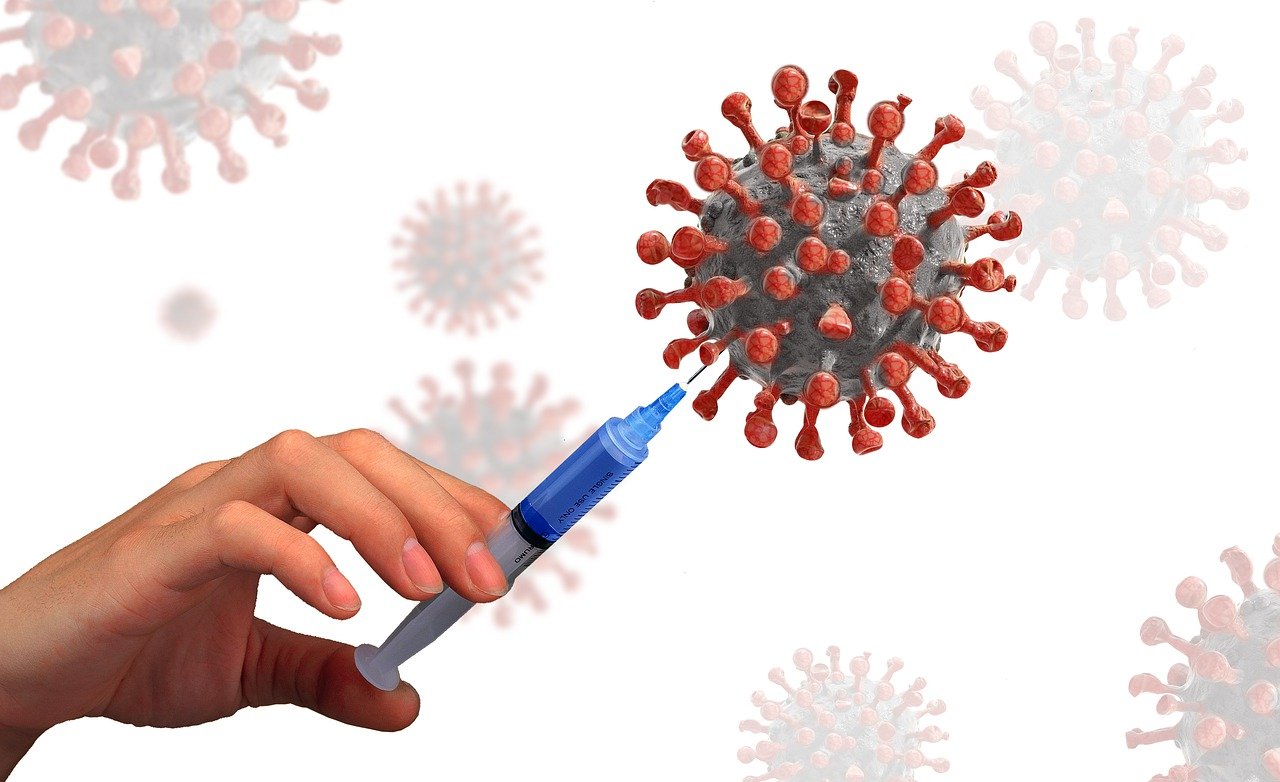
A remarkable example is the rapid development of COVID-19 vaccines. Traditionally, bringing a drug or vaccine to market can take years, often decades. In contrast, mRNA vaccines were developed and advanced to human trials within months.
Artificial Intelligence played a critical role in this acceleration- from early viral genome analysis to optimizing vaccine design and managing complex biological data.
However, this speed was not driven by AI alone. It was the result of multiple factors, including years of pre-existing research on mRNA platforms, unprecedented global funding, and large-scale scientific collaboration.
Within this ecosystem, AI’s strength was its ability to process vast datasets, identify patterns, and generate actionable insights at a speed that would be difficult to achieve manually.
But even in these strengths, an important question remains- how far can we rely on these predictions when real-world outcomes are at stake?
Where AI Falls Short in Drug Development
Despite its capabilities, AI still faces significant limitations in drug development.
One of the biggest challenges is the lack of high-quality, comprehensive data. AI models are only as good as the data they are trained on, and in many cases, biological data remains incomplete, inconsistent, or context-dependent.
There are also technical limitations. For instance, models can sometimes confuse bioactivity with true therapeutic relevance, such as binding affinity or clinical efficacy. This makes it difficult for AI to fully capture the complexity of biological systems.
Another critical issue is the lack of transparency. Many AI systems operate as “black boxes,” meaning their decision-making processes are not easily interpretable. This lack of explainability poses challenges, especially in regulatory settings where understanding why a decision was made is just as important as the outcome itself.
AI also struggles with the transition from in silico predictions to in vivo outcomes. While it can accelerate early-stage processes like target identification and molecule design, these predictions do not always translate successfully into clinical trials.
As of now, AI has significantly improved efficiency in the preclinical phase, but it has not yet demonstrated the same impact in accelerating clinical trial success rates.
This gap between prediction and real-world outcomes is where the role of human expertise becomes critical.
AI can analyze, predict, and accelerate drug discovery in ways we couldn’t imagine a decade ago.
But when it comes to human lives, prediction alone is not enough.
In Part 2, we take this further by exploring the role of human expertise, ethical boundaries, and whether AI can truly be trusted in decisions that impact human lives.
Stay Tuned!