
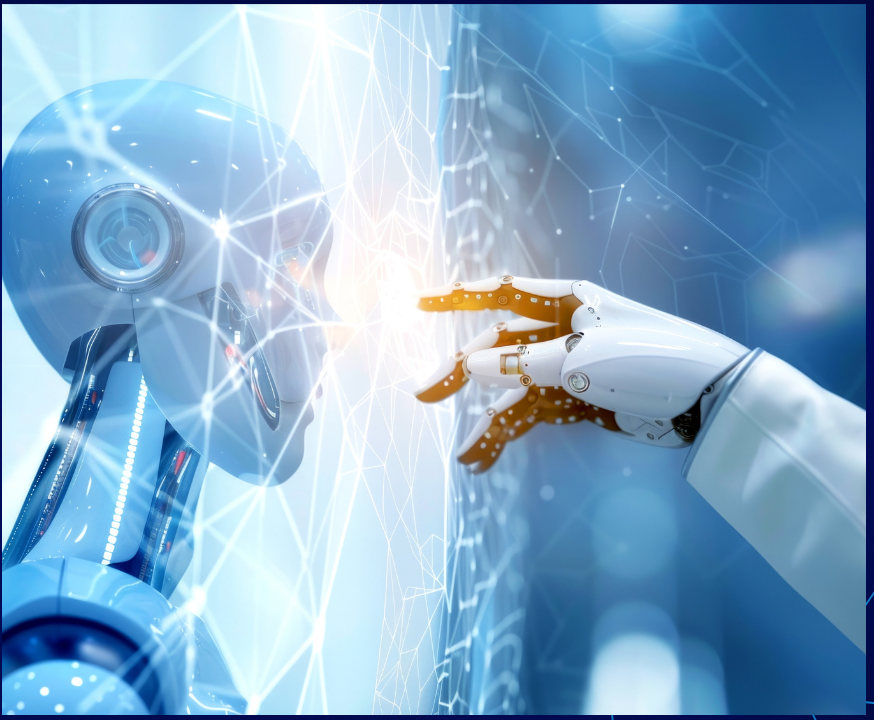
A woman walks into an emergency room with mild speech slurring.
Within seconds, an AI system flags a possible stroke even before the neurologist carefully reviews the scan.
Artificial intelligence was inspired by neuroscience. Now, that very technology is helping not just neuroscientists, but doctors across every field of medicine.
When we hear “AI,” most of us think of engineering, coding, or data science.
But quietly, almost invisibly, AI has been assisting doctors: speeding up diagnoses, predicting complications, and even guiding treatment decisions.
It’s time to shine the spotlight on AI in healthcare. Here are six real instances where AI has helped doctors deliver faster treatment and more accurate diagnoses. Let’s dive in.
AI That Sees What Human Eyes Might Miss

AI systems are trained to recognize subtle anomalies, hidden patterns, and early warning signs of disease- sometimes long before symptoms become obvious.
Even with years of clinical experience, doctors can miss minute changes in complex medical images. Not because they lack expertise, but because the human eye has limits. And in some cases, those tiny differences can mean the difference between early treatment and late-stage disease.
AI has shown remarkable promise in cancer detection, especially in breast and lung cancer. By analyzing mammograms or CT scans, it can identify extremely subtle variations that might otherwise go unnoticed, thereby helping doctors catch cancer earlier.
Another powerful example is eye disease. Conditions like diabetic retinopathy and glaucoma are notoriously difficult to diagnose in their earliest stages. Early damage may be silent and microscopic. AI can detect tiny hemorrhages in the retina or subtle changes in the optic nerve – changes that are critical for preventing irreversible blindness.
In these situations, AI doesn’t replace the doctor. It rather acts as a second pair of highly attentive eyes.
2. From ECG to Early Warnings
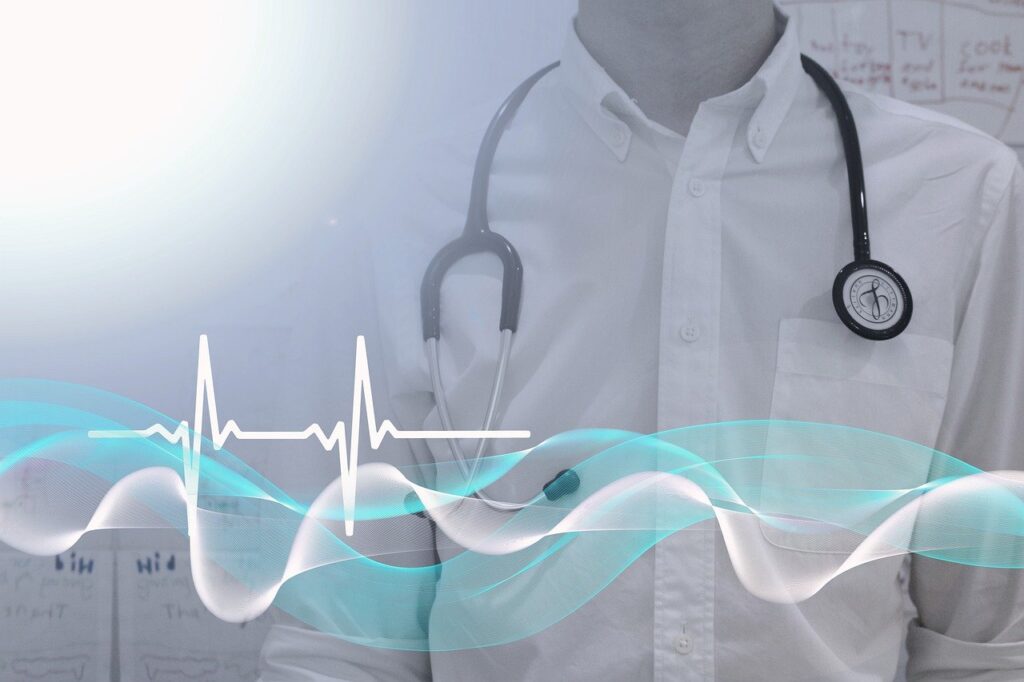
What if a disease could be detected years before the first symptom appears? AI is making that possibility real.
Modern algorithms can analyze ECG signals and identify subtle electrical changes in the heart that may predict future heart failure long before a patient feels chest pain or shortness of breath.
Wearable devices like smartwatches and continuous glucose monitors are quietly collecting massive amounts of physiological data every second. Heart rate variability, glucose fluctuations, and temperature shifts. Patterns that look random to us may signal early infection, metabolic stress, or declining heart health.
AI connects those dots.
Early detection is the key. Because in medicine, the earlier we know, the more options we have.
3. Teaching Machines to Read Our Genes
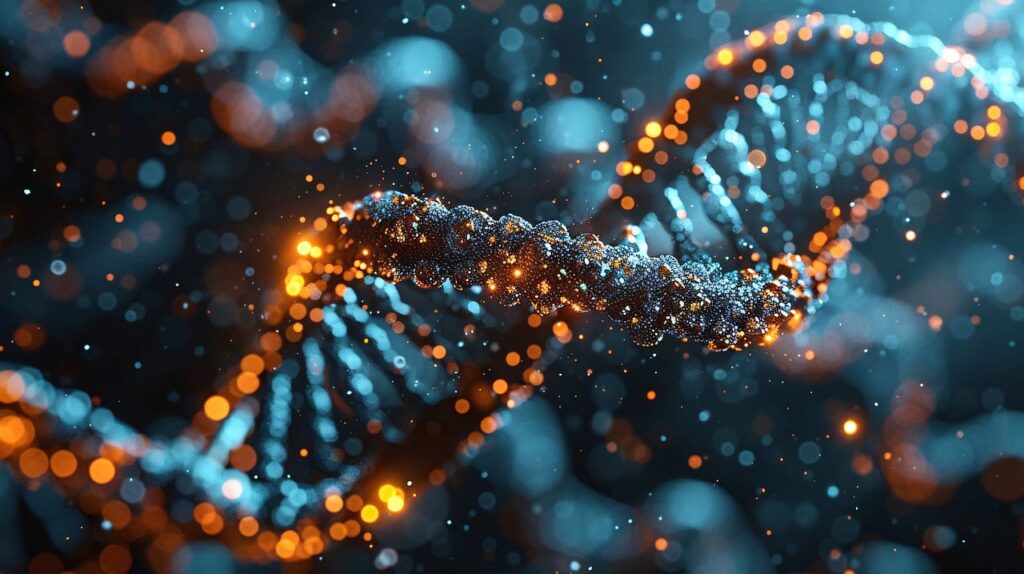
Yes. We can now teach AI to read, analyze, and even help interpret genetic code. And that is transforming modern genetics.
With the rise of precision medicine, AI has become an essential tool for scientists. It can scan vast genomic datasets, identify disease-associated variants, and even predict how a person might respond to specific drugs.
One ambitious initiative in this space is from Google DeepMind, which is working on models to better understand the genome.
For context, only about 2% of the human genome actually codes for proteins. The remaining 98% consists of non-coding DNA once dismissed as “junk,” but now known to contain regulatory elements that act like switches controlling when and how genes are turned on or off.
Understanding these regulatory regions is crucial. Small variations in these areas can influence disease risk, cancer progression, or even how well a drug works in a particular individual.
AI can analyze an entire genome in a fraction of the time it would take humans, detecting patterns that would otherwise remain hidden. It can help predict susceptibility to diseases such as cancer or diabetes and assist in tailoring treatment plans based on how a patient’s genetic makeup affects drug response.
But despite its power, AI cannot replace laboratory experiments or scientists. The real breakthrough lies not in replacing human expertise but in learning how to use AI as a powerful partner in discovery.
4. Designing Drugs at Digital Speed
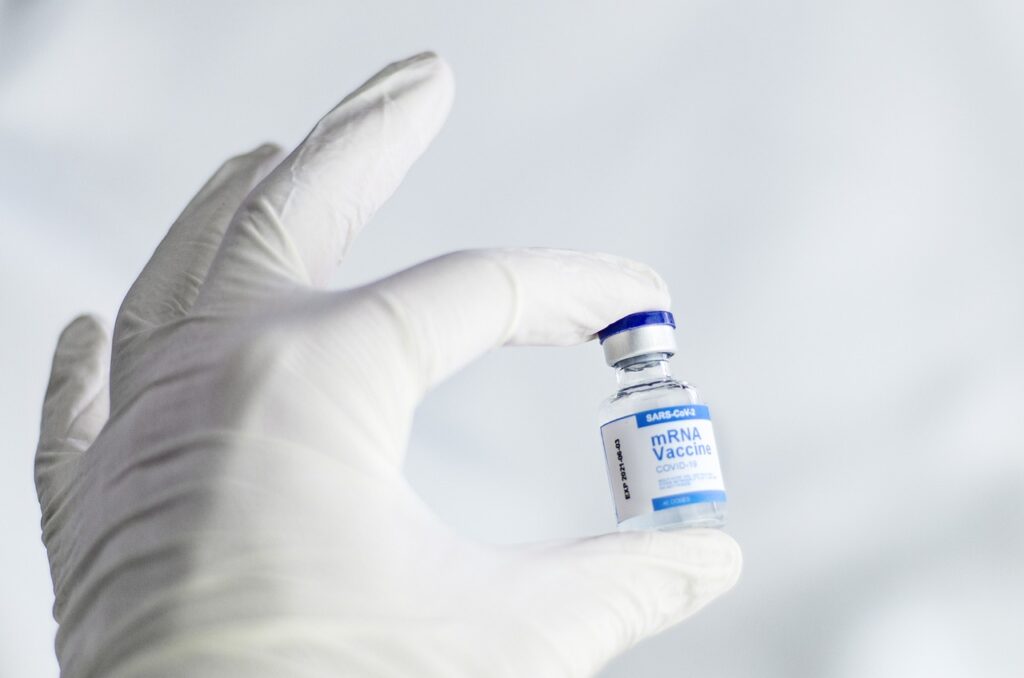
Drug discovery has always been a slow and expensive process. From identifying a target to testing safety and efficacy, it can take years- sometimes more than a decade for a single drug to reach patients.
But diseases don’t wait. And patients certainly can’t.
AI systems can analyze massive biological datasets, identify potential drug targets, and even suggest new molecular structures designed to interact precisely with those targets. Instead of testing thousands of compounds blindly, researchers can narrow down the most promising candidates in silico before stepping into the lab.
That said, AI is not independently “inventing” medicines. It does not replace chemists, biologists, or clinical researchers. Instead, it acts as an intelligent partner and makes their work easier.
5. Inside the Operating Room
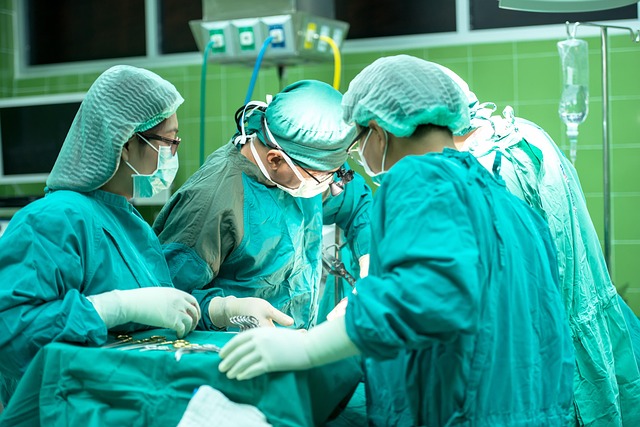
After assisting oncologists and neurologists in diagnosis, AI is now stepping into one of the most high-stakes environments in medicine – the operating room.
From robotic-assisted surgeries for prostate cancer to highly precise radiation therapy systems, AI is enhancing surgical accuracy and control.
Modern surgical platforms use advanced computer vision to provide real-time guidance during procedures. AI can help identify critical anatomical structures reducing the risk of accidental damage. These models allow surgeons to plan the safest and most effective approach tailored to that individual patient’s anatomy.
In complex procedures, even millimeters matter. AI does not hold the scalpel.
But it provides enhanced vision, precision, and planning support. And in surgery, better navigation can mean fewer complications, faster recovery, and improved outcomes.
6. AI in Psychiatry: When Technology Learns to Listen

Finally, AI is entering one of the most sensitive and deeply human areas of medicine- psychiatry.
Mental health disorders are often complex, subtle, and difficult to diagnose early. Unlike a fracture or a tumor, they don’t always show up clearly on a scan.
AI systems are being trained to analyze patterns in speech, facial expressions, writing style, and even electronic health records to detect early signs of depression, anxiety, or other psychiatric conditions. Small changes in tone, word choice, or expression can sometimes reveal deeper emotional distress.
But this is also where caution is essential.
Mental health data is deeply personal. Issues of privacy, data security, and informed consent are critical. AI must always function under strict human oversight.
Because healing the mind requires more than algorithms. It requires trust.
Artificial intelligence was born from our attempt to understand the human brain.
Today, that intelligence is helping us understand and heal the human body. From detecting cancers earlier than ever before, to predicting heart disease before symptoms begin, from decoding our genes to assisting in surgery and supporting mental health, AI is no longer a futuristic concept. It is already embedded in modern medicine.
Yet the story is not about machines replacing doctors. It is about partnership.
AI processes patterns at a scale and speed humans cannot. Doctors bring clinical judgment, ethical reasoning, empathy, and experience – things no algorithm can replicate. It makes it a win-win situation.
As patients, researchers, and healthcare professionals, the question is no longer whether AI belongs in medicine. The question is how wisely we choose to use it. And perhaps that is the most human decision of all.
Thanks for sharing