
India has long carried the label of the “diabetes capital of the world”. But diabetes isn’t the only concern—cardiometabolic diseases like heart disease, prediabetes, and obesity are rising faster than ever. While genetics does play a role, our dietary habits are a major driving force.
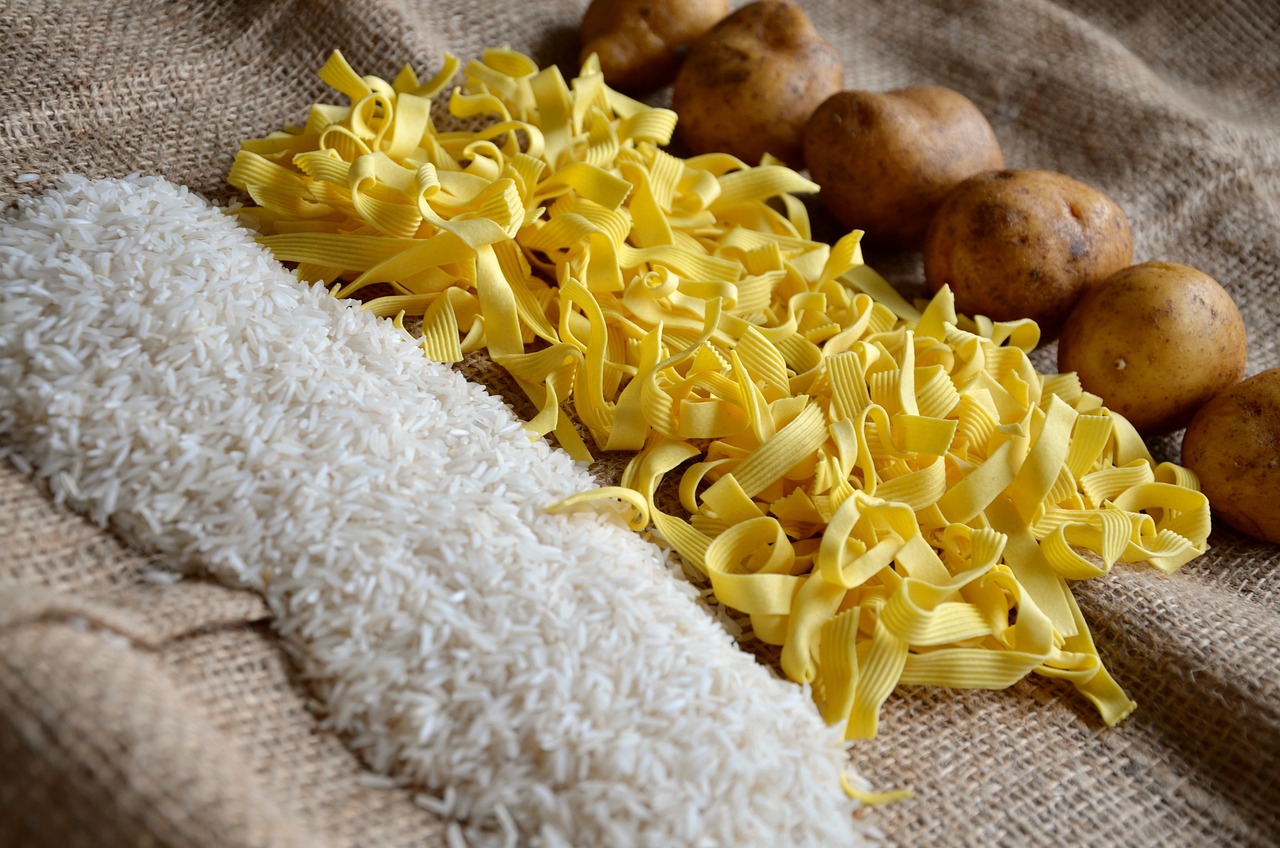
Most Indian meals look wholesome at first glance: rice, dal, vegetables, and chapati. But beneath this familiar plate lies a deeper problem- carbohydrates almost entirely drive our diets. Not just any carbs, but mostly refined carbs such as white rice, milled wheat (maida), and added sugars. Add to that high saturated fat intake and very low protein intake, and you have a recipe for metabolic trouble.
To better understand this, the Indian Council of Medical Research (ICMR) conducted a massive dietary survey involving 18,090 adults across India. Their findings were eye-opening:
- Indians consume too many carbohydrates and too little protein
- Higher carb intake was linked with a significantly greater risk of
- Type 2 diabetes
- Prediabetes
- Abdominal obesity
- Generalized obesity
One surprising result? Switching from refined grains (like rice) to whole-wheat or millet flour didn’t reduce diabetes or obesity risk. So, as long as the total carbohydrate intake stayed high. So simply choosing “healthier grains” is not enough if carbs still dominate the plate.
But when researchers isocalorically substituted (replaced equal calories of) carbs with proteins—from dairy, plants, eggs, or fish—the risk of diabetes and prediabetes dropped noticeably. In short:
- Reducing carbs works
- Increasing protein works
- Switching only from refined to whole grains does not work unless carbs are reduced overall
Protein intake was consistently adequate in only a few states across India- highlighting a nationwide protein gap.
Based on these findings, ICMR recommends shifting toward lower-carb, higher-protein meals, with better-quality fats. This simple shift—reducing carb load and increasing protein—could significantly reduce India’s rising burden of metabolic diseases.
Stay healthy, Stay happy
See you in the next post!
That was informative. Thanks.