
Kerala girl dies after water fasting: What extreme weight-loss diets do to the body.
This news headline sent shockwaves through the media. While it may not have been this extreme, this certainly isn’t the first time we hear instances of life-threatening ‘crash diets’. Such extreme measures may help people lose weight in a very short span of about a week or two. The safe limit for weight loss is about 2 kgs per month. However, not only is it unsustainable, but also affects your health. Let us explore the benefits of holistic fat loss compared to weight loss through crash diets.
What exactly happened to the 18-year-old girl?
This 18-year-old girl took to an extreme ‘water diet’ after reading about it on social media. As a part of this fad diet, she was on a zero-calorie water diet where she replaced her meals and beverages with just water! After abstaining from food for over 6 months, she had to be hospitalized for about 12 days before she passed. Weighing just 24 kgs, she was bedridden, and her sugar levels and BP were critically low. Despite ventilator support, she sadly succumbed.
Her obsession with weight loss stemmed from her condition- anorexia nervosa. Due to this life-threatening condition, she perceived herself in a higher weight and enforced food restrictions upon herself. After abstaining from eating altogether, she survived on hot water for nearly 5 months.
Why crash diets aren’t sustainable?
If you follow a particular crash diet, you are likely to see drastic changes on the scale. However, it results in muscle loss rather than fat loss, while in reality, you are merely losing water and muscle. In addition to reducing your metabolism, it makes you put on weight at a faster rate. It is restrictive and far from long-term lifestyle changes.
Because most of these crash diets put you on a highly calorie-restrictive diet, your body thinks you are starving and starts storing whatever little you eat in the form of fat and reduces your metabolic rate to conserve energy.
So, in short, what can crash-dieting do to you?
- Compromised immunity
- Fatigue
- Depression
- Impaired brain function
- Electrolyte imbalances
- Nutrient deficiencies
Weight loss vs Fat loss
Weight loss can include water loss, muscle loss, and fat loss, while fat loss specifically targets reducing body fat while preserving muscle mass. So, if you are looking for a holistic approach to a healthy lifestyle, you know it is best to aim for fat loss. It improves muscle mass and improves your body composition.
Holistic fat loss

This is a more positive approach that involves a more sustainable, nutrient-dense, and highly effective strategy. In addition to diet and exercise, it focuses on stress management and mental well-being. Key characteristics of this diet include:
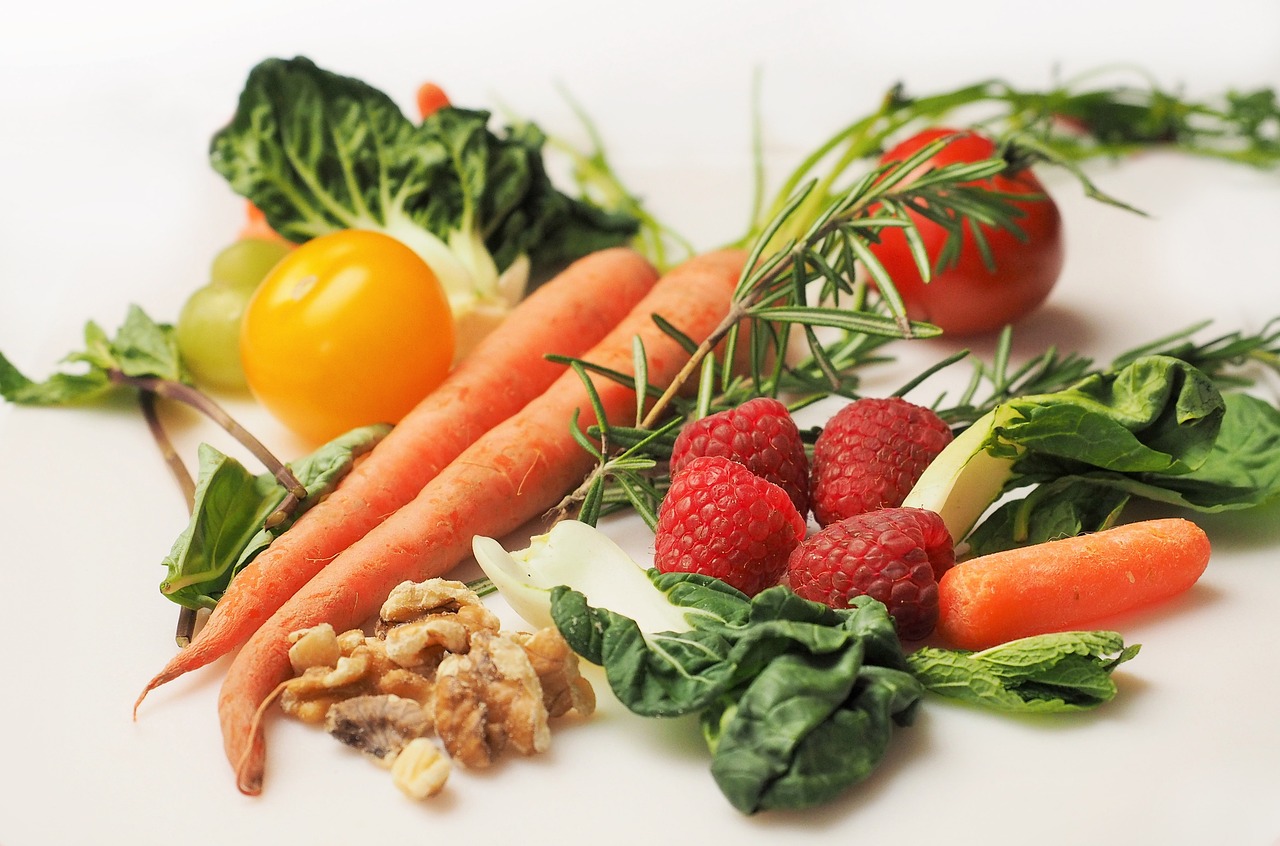
- Nutrient-dense foods- like fruits, vegetables, lean meat, grains, and pulses. They are largely unprocessed and ensure our body gets the complete nutrition from it. Along with proper hydration, one can respond to hunger cues rather than emotional cues. So this way you don’t need to starve yourself to lose fat.
- Physical activity- will ideally include a combination of cardio and strength training for fat loss and muscle buildup respectively. Finding activities you enjoy the most, for instance- swimming, badminton, or dancing can make the exercise enjoyable. This way, you will also stick to your routine regularly.
- Stress management- I’m sure you have heard of the stress hormone, cortisol. It plays an immense role in weight loss. In general, being on a weight loss journey may put most of us under stress. It is important to reduce our cortisol levels and a holistic approach will take care of that aspect as well. From ensuring a minimum of 8 hours of sleep to connecting with nature, it is important to keep your mind happy to have a happy body.
- Mental and emotional well-being- as previously mentioned, a happy mind a happy body. It is important to manage any emotional traumas you may have in order to be able to stick to your routine. If you feel emotionally low, seek help and build a strong network of supporters.
A Crash-diet may promise rapid results, but they come at a cost—muscle loss, slowed metabolism, and potential health risks. True transformation isn’t about starving your body but about nourishing it. Holistic fat loss is a journey that prioritizes sustainable habits, balanced nutrition, and a lifestyle that supports overall well-being.
Instead of chasing quick fixes, focus on long-term health. Fuel your body with the right nutrients, stay active, manage stress, and get quality sleep. When you shift your mindset from temporary dieting to lasting wellness, you’ll not only shed fat the right way but also gain energy, strength, and confidence.
Say no to crash diets—say yes to a healthier, stronger you!
Stay consistent, stay kind to your body, and be happy exercising.
Great write up!
Great read as always, thanks for sharing.